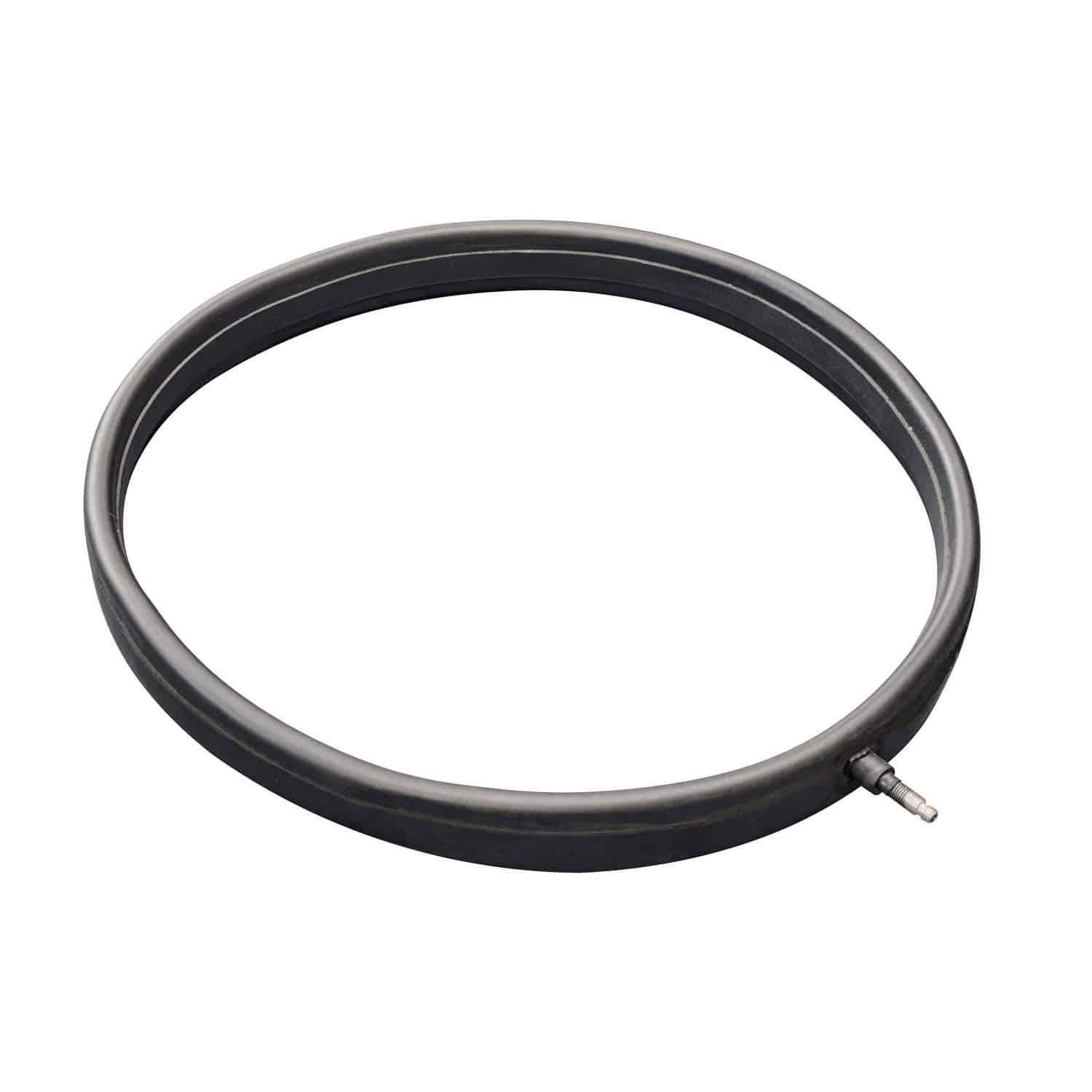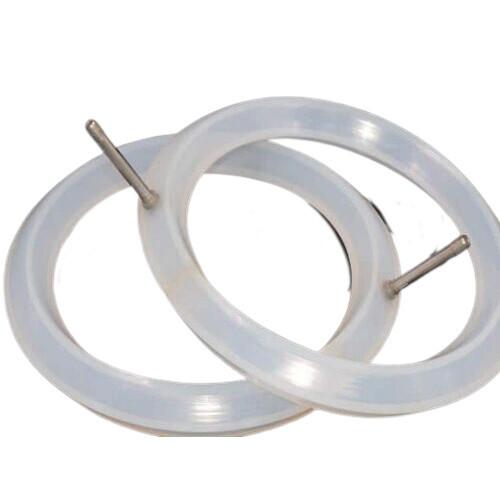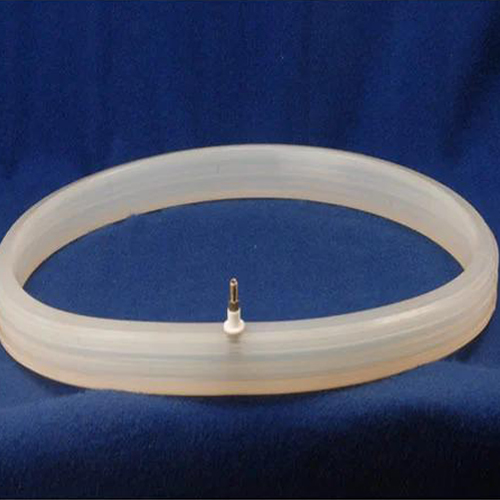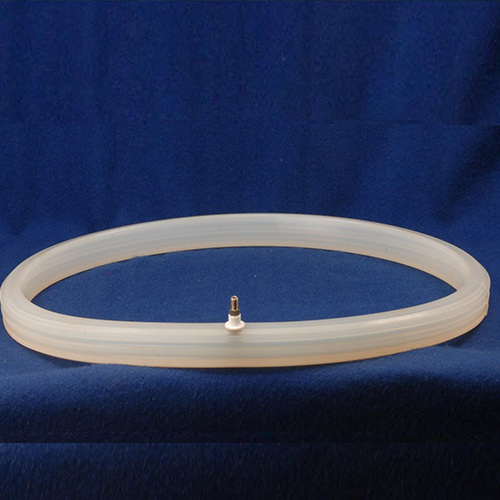
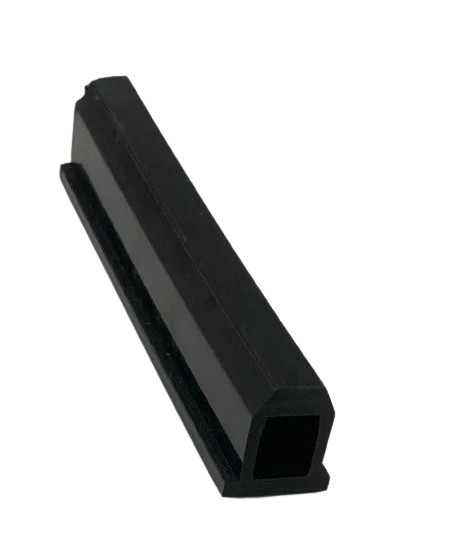
Inflatable Seal For Hydro Electricity
Bombay Rubber & Carbon Works
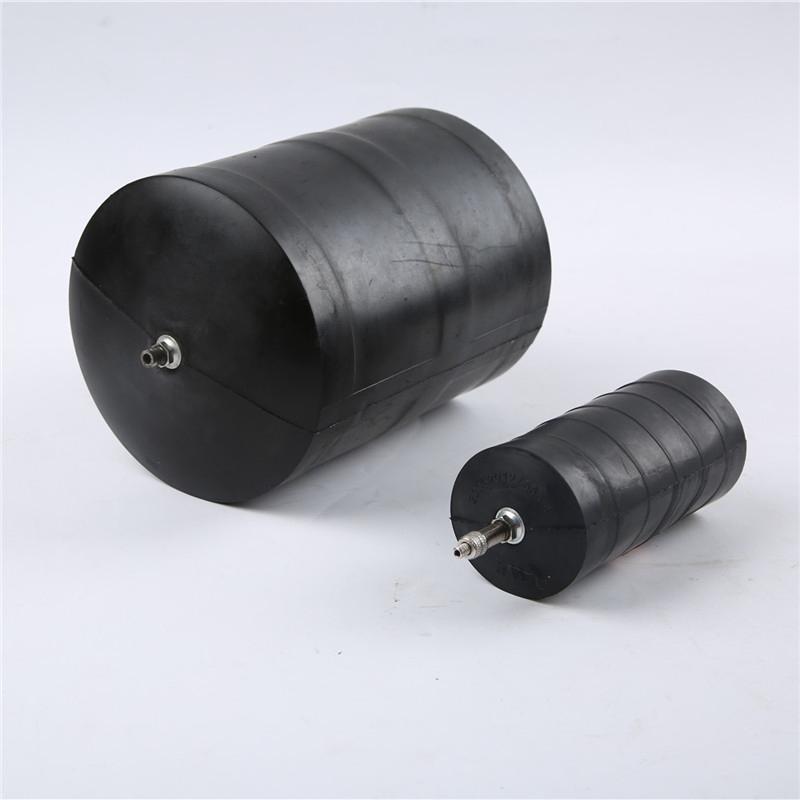
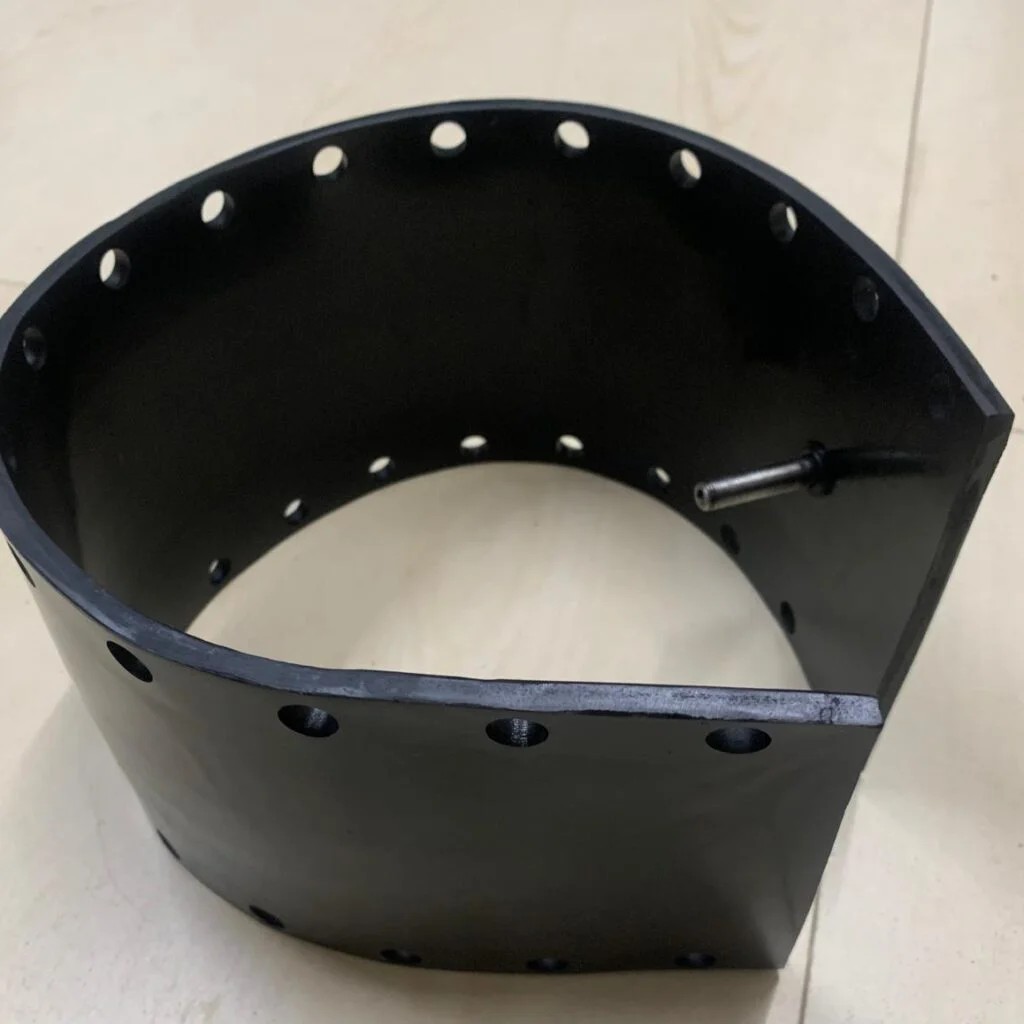
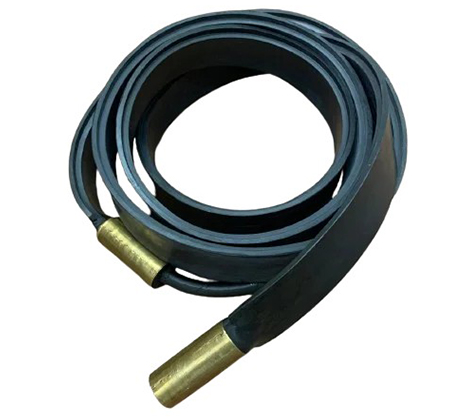
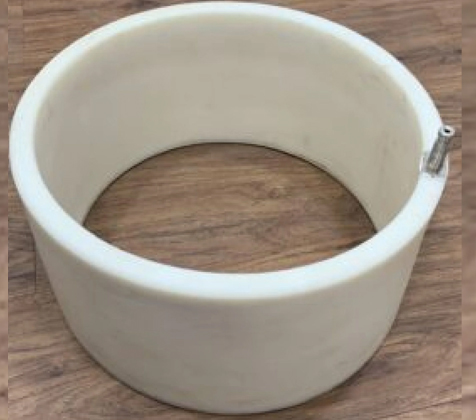
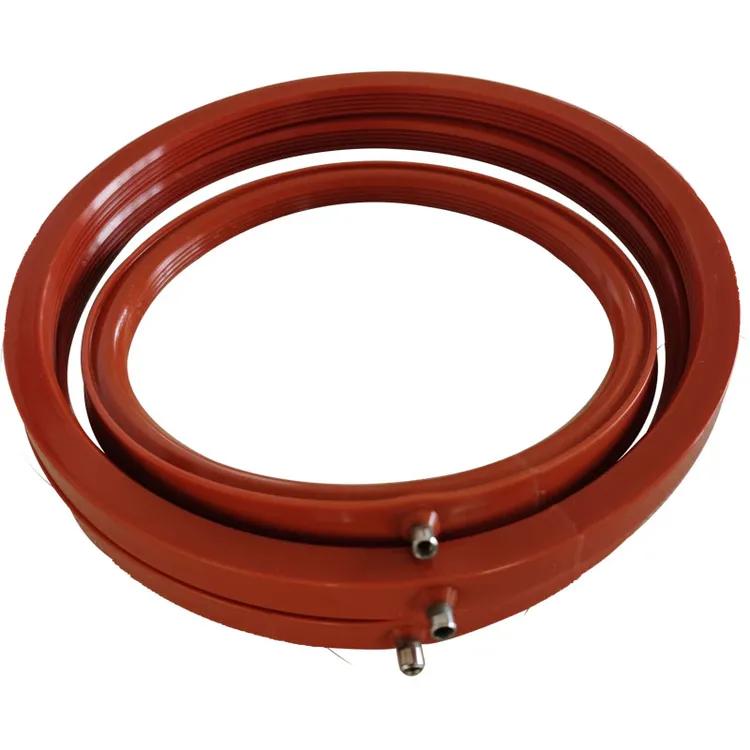
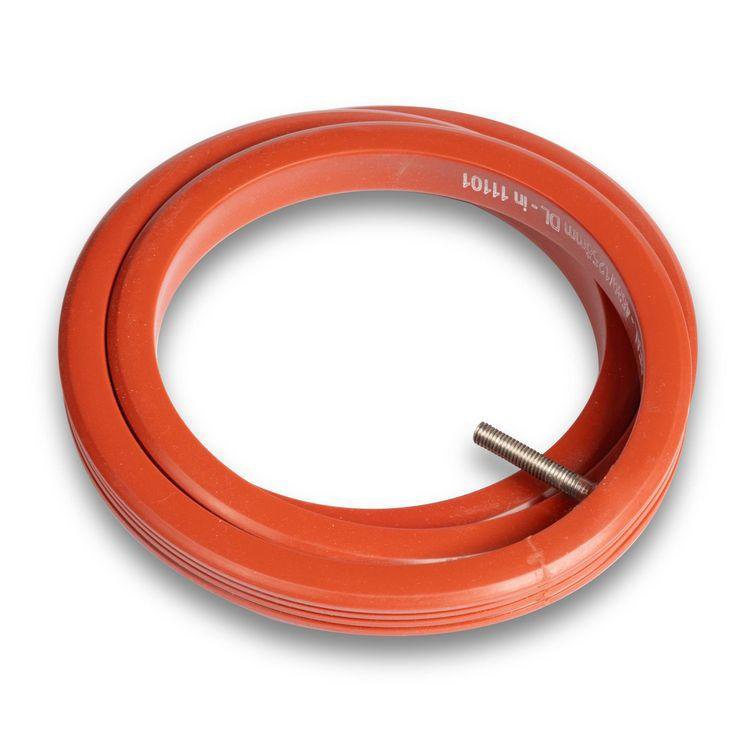
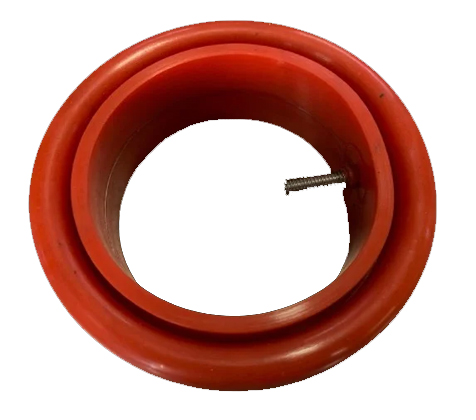
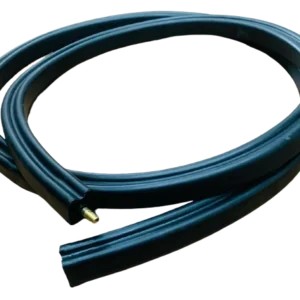
Bombay Rubber & Carbon Works is a leading manufacturer of inflatable seals for hydroelectric turbine vacuum chambers. We have made significant contributions to numerous turbine projects by supplying inflatable seals engineered for this demanding duty .
The power extracted from a hydro turbine depends heavily on water volume and head difference, and maintaining a tight, reliable seal on the turbine's vacuum chamber is essential to protecting that efficiency .
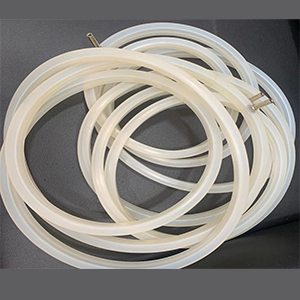
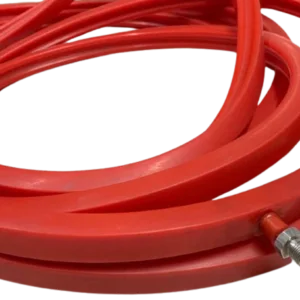
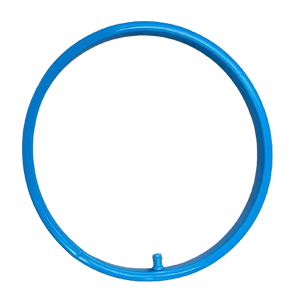
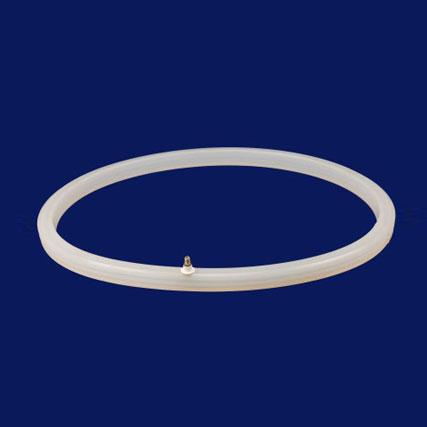
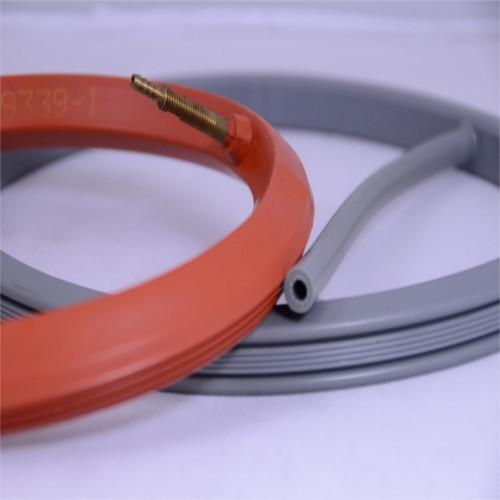
Bombay Rubber & Carbon Works supplies inflatable seals for turbine vacuum chambers in NBR or EPDM, selected based on each client's specific operating conditions .
| Parameter | Typical Value |
|---|---|
| Base Elastomer | NBR or EPDM (selected per client specification) |
| Standard Hardness Reference | 70 Shore A (EPDM and NBR grades) |
| Sealing Location | Hydro turbine vacuum chamber |
| Construction | Hand-built or fully moulded, with fabric reinforcement option for larger chambers |
| Burst Pressure (fabric-reinforced) | Up to 50 kg/cm² depending on fabric and build |
| Working Pressure | Up to 8 bar for groove-retained high-pressure profiles |
| Sealing Gap Accommodation | 2 mm – 10 mm typical |
| Expansion Modes | Axial, internal radial, external radial |
| Actuation Medium | Air or gas, pressure-controlled |
| Mounting | Metal retaining groove around vacuum chamber perimeter |
| Customisation | Built to customer sketch/drawing, chamber dimensions, and special-feature requirements |
Figures above are typical for standard hydro turbine vacuum chamber duty; exact ratings depend on turbine design, chamber geometry, and operating pressure . Request the compound-specific technical data sheet (EPDM or NBR) for design-stage figures .
Why NBR or EPDM for hydro turbine seals?
Turbine vacuum chambers in hydroelectric installations operate under sustained vacuum/pressure cycling in a wet, water-exposed environment, so the seal material has to combine long-term water resistance with reliable mechanical performance over the turbine's operating life.
Key material properties
- NBR (Nitrile Rubber): offers good resistance to water, oils, and the mechanical wear typical of turbine chamber environments, making it a strong default for many hydro sealing applications .
- EPDM: provides excellent resistance to water, steam, and weathering, along with strong ageing and ozone resistance, making it well suited to installations with greater exposure to the elements or longer continuous service intervals .
- Fabric reinforcement (optional): for larger turbine vacuum chambers or higher pressure duty, an internal fabric carcass can be incorporated to increase burst strength and dimensional stability .
- Compound selection by project: the choice between NBR and EPDM (or a custom compound) is made based on the specific turbine design, water chemistry, and operating pressure of each hydro project .
Bombay Rubber & Carbon Works offers technical guidance to help select the right elastomer and construction method for each turbine vacuum chamber installation, backed by full compound-specific technical data sheets .
Inflatable seals for hydro turbine vacuum chambers are specified across power generation and related heavy industrial sectors :
- Hydroelectric power generation installations: turbine vacuum chamber sealing on hydro power plant builds
- Power plant maintenance & retrofits: replacement sealing for existing turbine installations
- Turbine equipment manufacturing: OEM sealing components for new turbine builds
- Renewable energy infrastructure projects: sealing solutions supporting hydro power as part of broader renewable energy systems
- Heavy industrial & process equipment: broader vacuum chamber and pressure vessel sealing applications using the same inflatable sealing principle