Inflatable Door Seal For Diverter Valve
High-Performance Inflatable Sealing for Bulk Material Flow Diversion
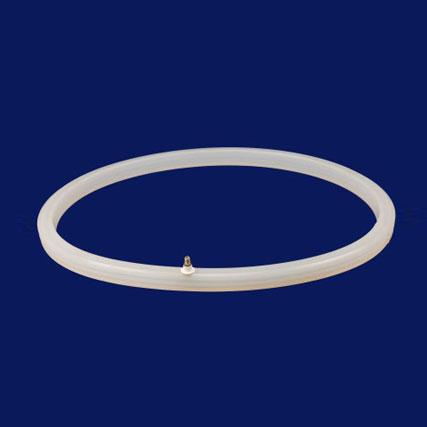
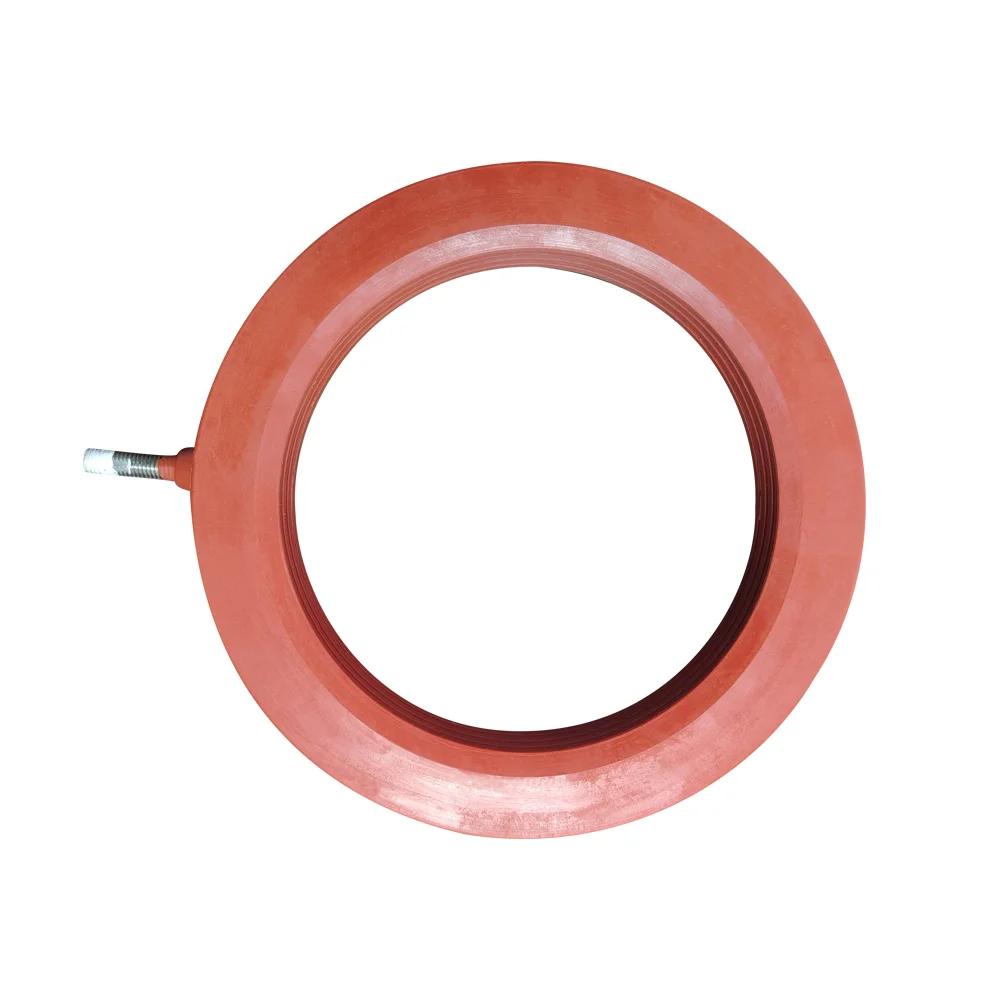
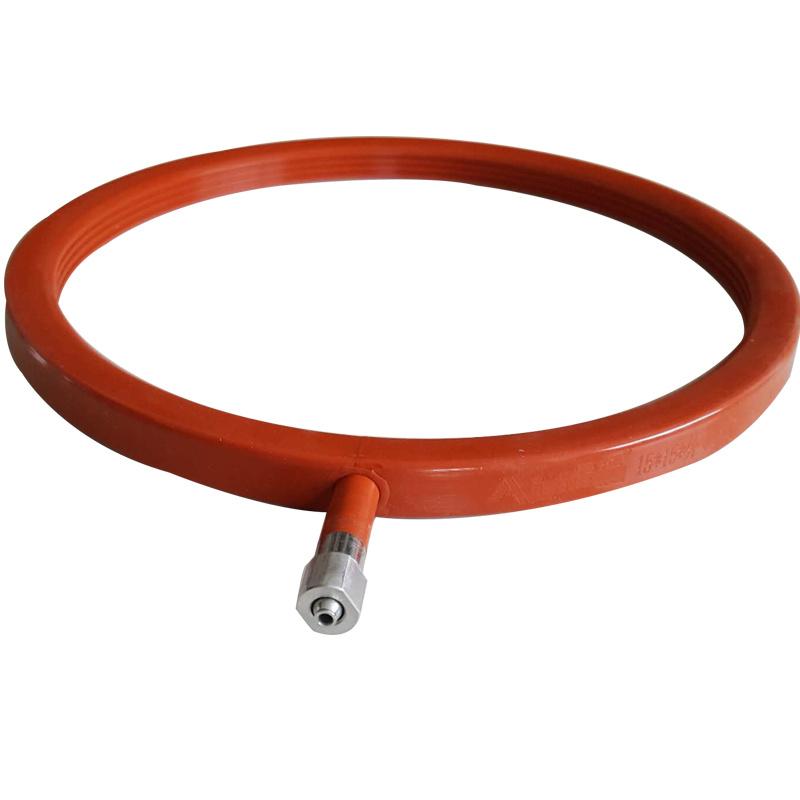
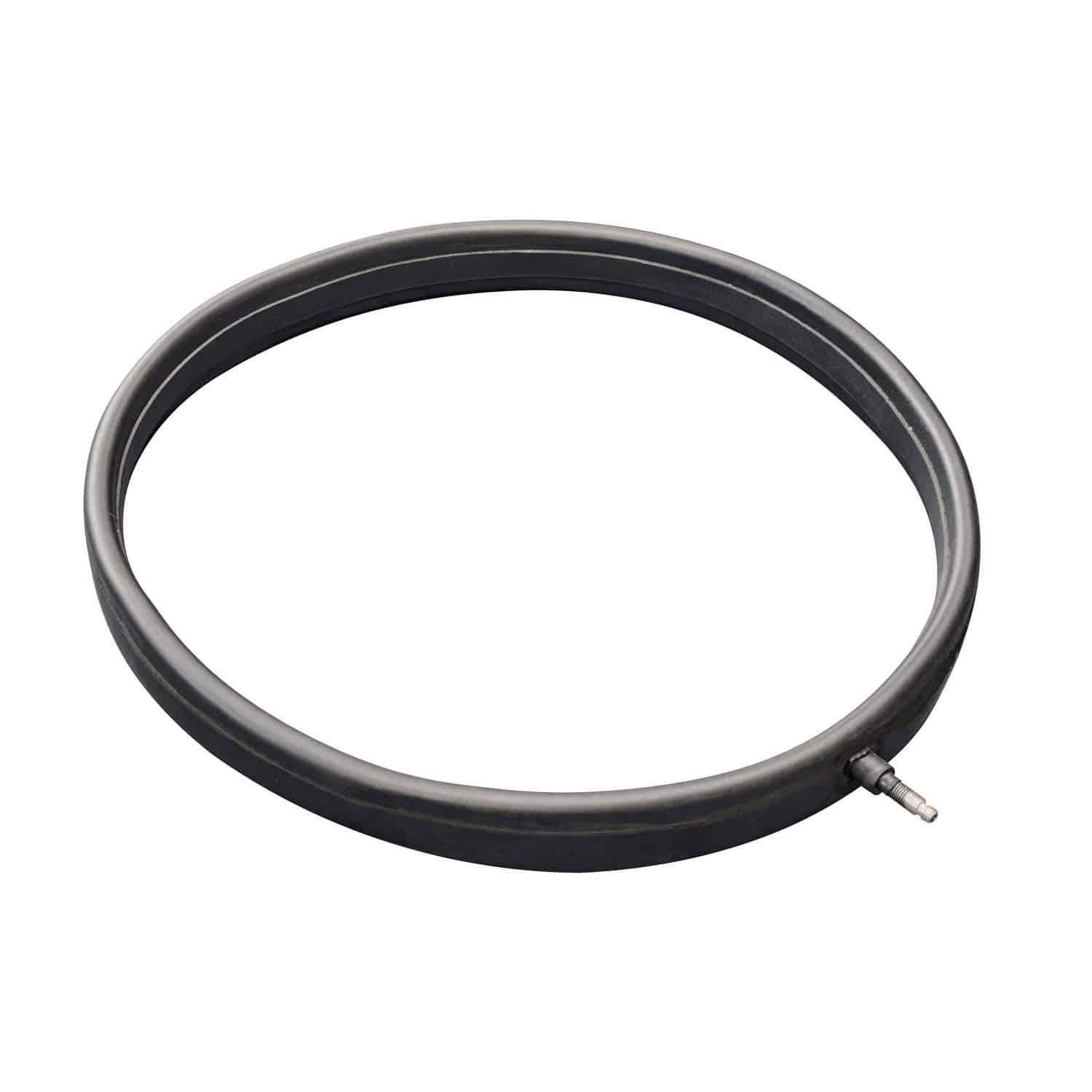
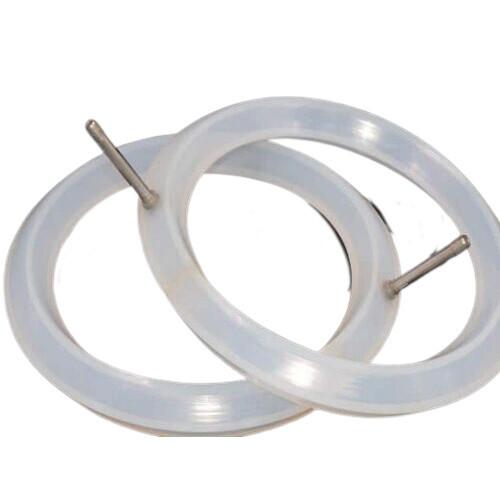
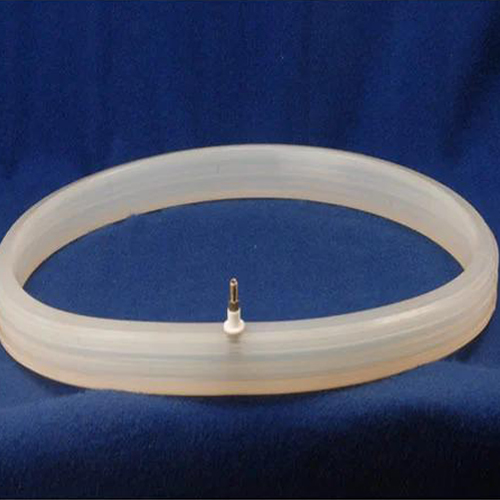
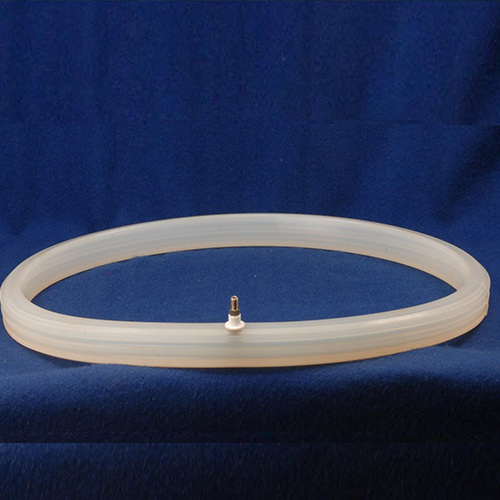
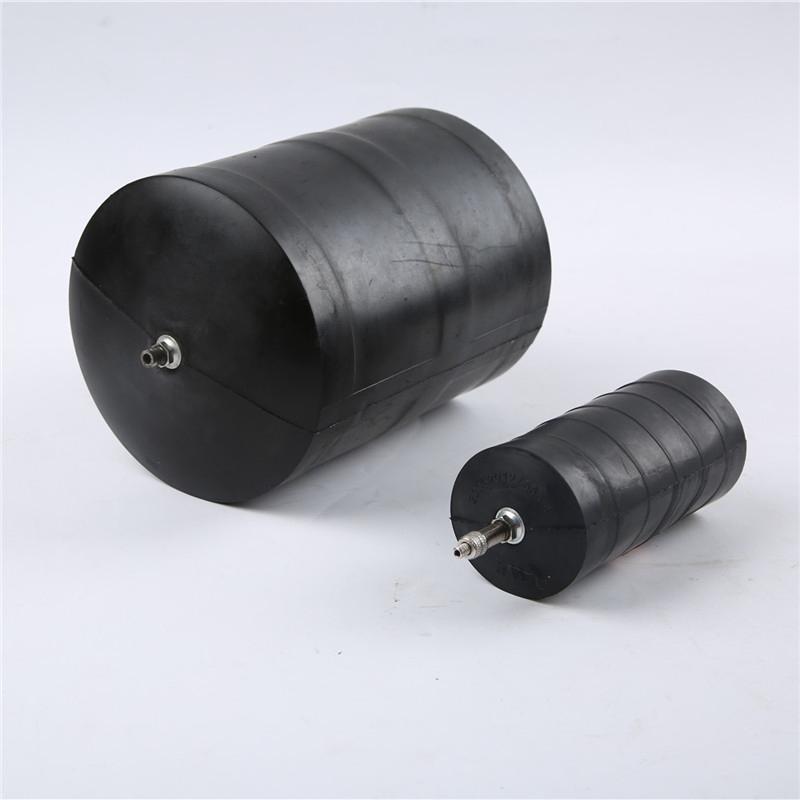
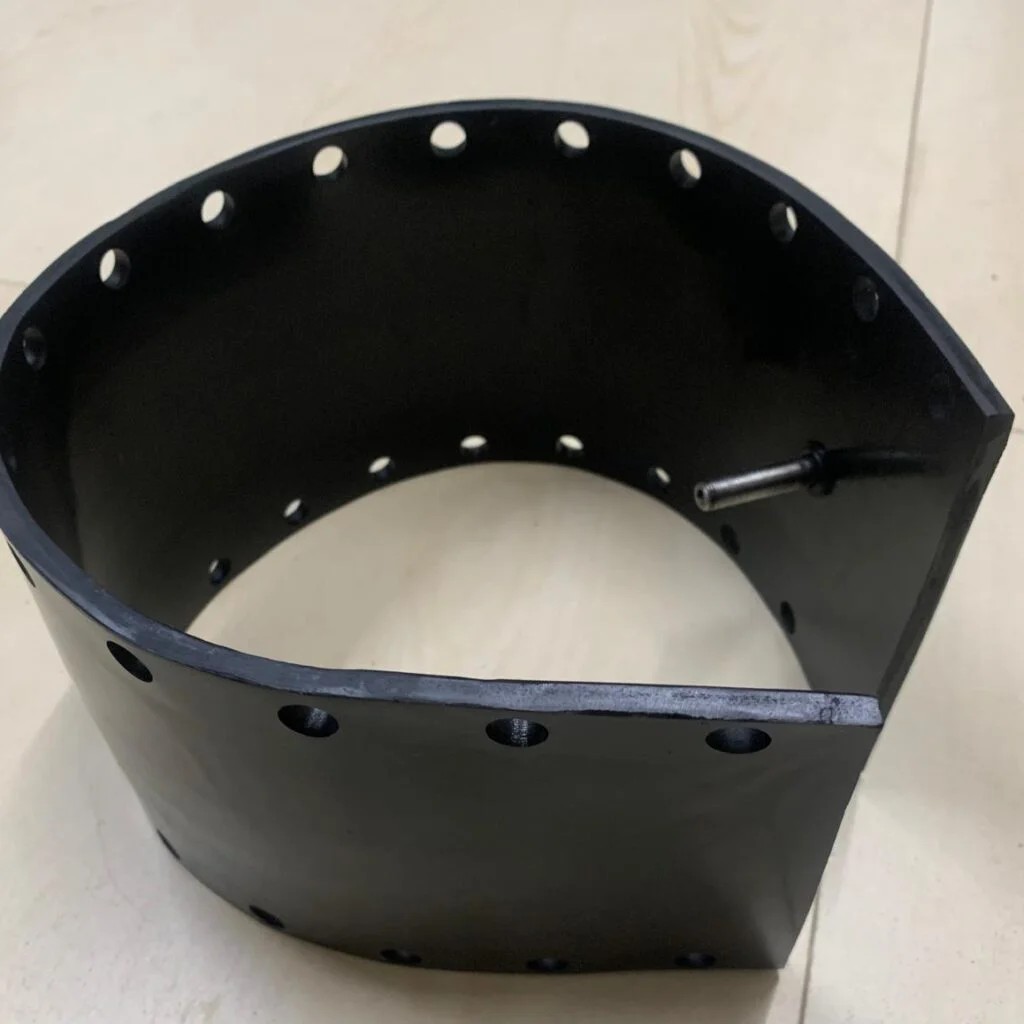
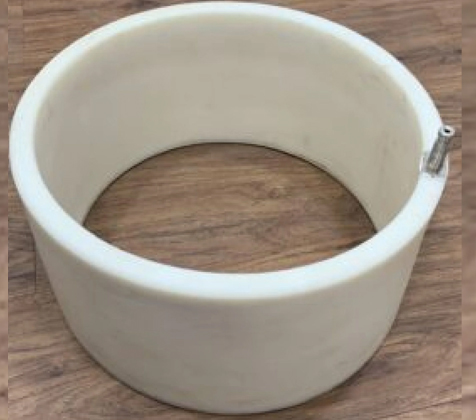
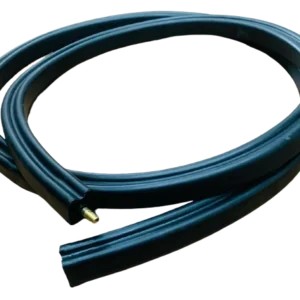
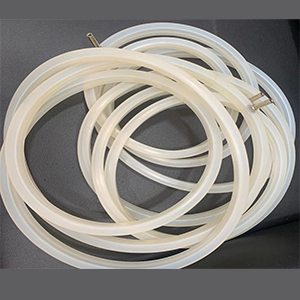
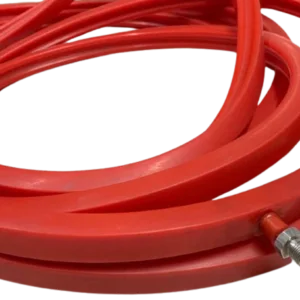
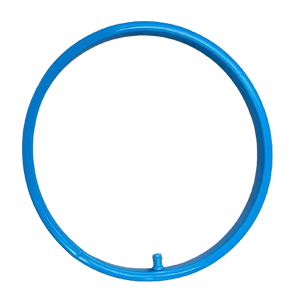
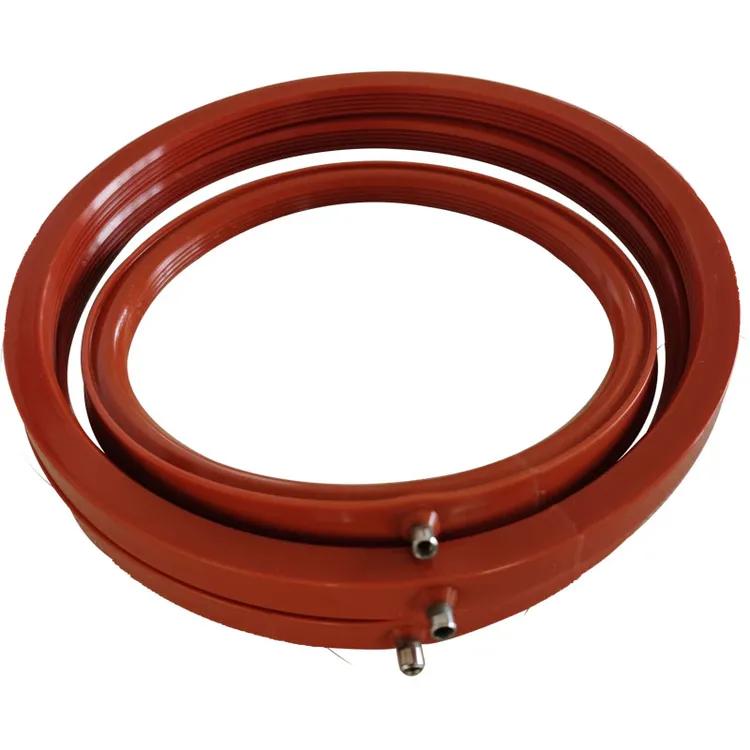
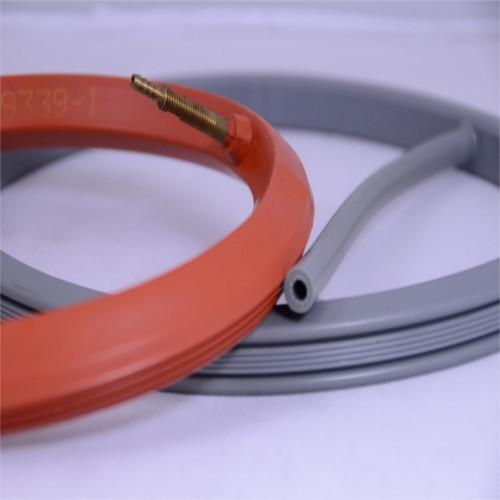
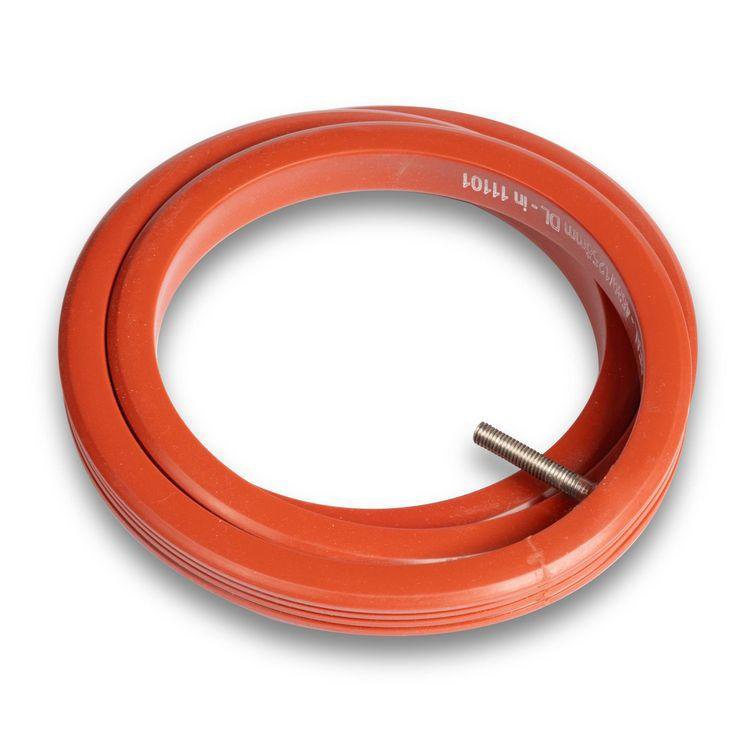
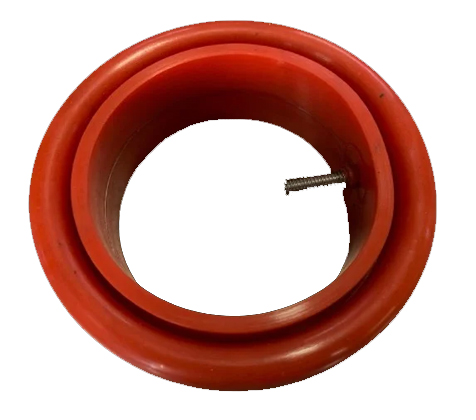
Inflatable Door Seals for Diverter Valves are specially engineered sealing components designed to provide reliable, controlled sealing around diverter-valve mechanisms used for directing powders, granules and other bulk solid materials.
Diverter valves are commonly used in pneumatic and gravity conveying systems to redirect material from one conveying path to another. An inflatable seal provides an active sealing interface that expands against the valve’s mating surface when pressurized and retracts when the valve needs to move or change position.
Bombay Rubber & Carbon Works offers silicone inflatable door seals specifically for diverter valves and states that the product range is designed to address sealing requirements in bulk-solids conveying applications.
| Parameter | Typical / Available Specification |
|---|---|
| Product | Inflatable Door Seal for Diverter Valve |
| Product Type | Pneumatic Inflatable Seal |
| Primary Application | Diverter Valve / Material Flow Diversion |
| Main Industry | Bulk Material Handling |
| Material | Silicone / NBR / EPDM / FKM / Other elastomers as required |
| Featured Material | Silicone |
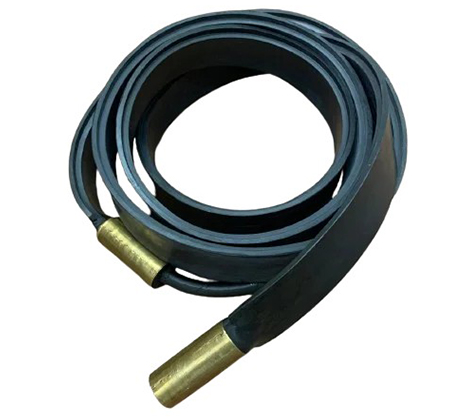
| Construction | Moulded / Extruded / Custom |
| Profile | Custom Inflatable Profile |
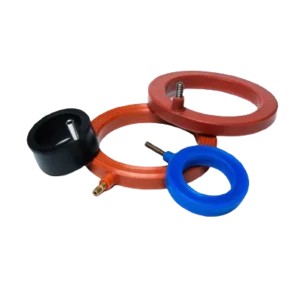
| Configuration | Circular, Ring, Door-Type or Custom Geometry |
| Inflation Medium | Compressed Air |
| Expansion | Radial / Axial / Application-Specific |
| Inflation Pressure | Application dependent |
| Operating Temperature | Material and application dependent |
| Hardness | Application-specific Shore A |
| Reinforcement | Optional Fabric Reinforcement |
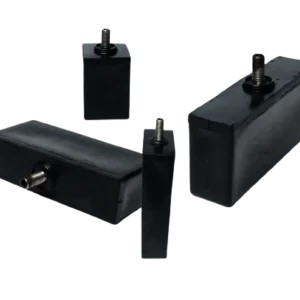
| Connection | Customized Air Nozzle / Valve |
| Colour | Material dependent |
| Configuration | Continuous Ring / Segmented / Custom |
| Valve Type | Flap / Plug / Swing / Custom Diverter |
| Application Media | Powders, Granules, Pellets & Bulk Solids |
| Manufacturing | Custom-engineered |
Important: Exact pressure, temperature, hardness, dimensions and cycle-life specifications must be finalized according to the diverter-valve geometry, material being conveyed, pressure differential, abrasion level and operating cycle.
For example, published diverter-valve designs with inflatable seals can be specified for higher conveying pressures than equivalent static-seal arrangements; one commercial plug-diverter design specifies inflatable-seal operation up to 6 barg, while another system lists inflatable sealing as an option for higher-pressure conveying. These figures are not a rating for the Wespo seal and should not be applied to a custom product without validation.
- Designed specifically for diverter-valve applications
- Suitable for bulk-solids conveying systems
- Pneumatically activated sealing
- Reliable sealing around moving valve components
- Inflates when sealing is required
- Retracts during valve movement
- Helps reduce material leakage through the sealing interface
- Suitable for powders, granules and bulk materials
- Silicone material options available
- Custom profiles and dimensions
- Can be manufactured for different diverter-valve geometries
- Suitable for pharmaceutical and food-processing equipment
- Options for abrasive-material applications
- Fabric-reinforced construction available for demanding applications
- Custom material selection according to temperature, pressure and media
- Suitable for automated pneumatic valve systems
- Diverter-valve manufacturers also use inflatable seals where higher sealing performance is required in conveying systems; applications include powders, granules and pellets.
Silicone
Silicone is a preferred material for many pharmaceutical, food-processing and clean industrial applications.Recommended for:
• Pharmaceutical powder handling
• Food processing
• Nutraceuticals
• Clean material handling
• Moderate-temperature applications
• Specialized diverter valves
Key advantages:
• Excellent flexibility
• Good temperature performance
• Good ageing resistance
• Good ozone resistance
• Available in food/pharmaceutical-grade formulations
• Suitable for customized inflatable profiles
Silicone seals are commonly used in sanitary and powder-processing diverter valves, including FDA-approved configurations.
Nbr / Buna-N
Nitrile rubber is suitable where good resistance to oils and petroleum-based fluids is required.Recommended for:
• Industrial conveying
• Oil-related material handling
• General machinery
• Industrial environments
• Applications where oil resistance is important
Epdm
EPDM is suitable for applications exposed to:• Water
• Steam
• Weather
• Outdoor conditions
• Certain cleaning environments
Recommended for:
• Food-processing systems
• Water-related material handling
• Outdoor equipment
• General industrial applications
EPDM is generally not the first choice for significant petroleum-oil or fuel exposure.
Fkm / Viton®
FKM / Viton® can be selected where the diverter seal is exposed to:• High temperatures
• Oils
• Fuels
• Hydrocarbons
• Aggressive chemicals
Recommended for:
• Chemical processing
• Petrochemical applications
• High-temperature equipment
• Specialized industrial conveying
Neoprene
Neoprene provides a balance of flexibility, mechanical strength and weather resistance.Recommended for:
• General industrial applications
• Outdoor equipment
• Marine environments
• Machinery applications
Material Selection For Bulk Solids
The material being conveyed has a major influence on seal selection.Powders
For fine powders, the seal should provide reliable contact while minimizing crevices where material can accumulate.
Granules
For granules and pellets, abrasion resistance and mechanical durability become increasingly important.
Abrasive Materials
Cement, minerals, sand, certain chemicals and other abrasive solids may require specialized compounds, protective arrangements or reinforced constructions.
Diverter-valve manufacturers specifically identify inflatable seals as useful for demanding and abrasive bulk materials.
Recommended for: Bulk material handling, pneumatic conveying, pharmaceutical, food, chemical and industrial processing applications.
Advantages Of Inflatable Sealing
Active SealingThe seal expands only when sealing is required.
Low Interference During Movement
Deflation allows the diverter mechanism to move with reduced contact and friction.
Improved Material Containment
Inflation creates positive contact around the sealing interface.
Variable Gap Compensation
The inflatable profile can accommodate certain dimensional variations between the mating components.
Reduced Wear
Because the seal can retract before valve movement, unnecessary continuous rubbing against the moving component can be reduced.
Custom Engineering
The seal can be developed according to the exact valve profile, groove, expansion requirement and operating conditions.
Fabric-Reinforced Options
For applications involving higher pressure or demanding mechanical conditions, fabric reinforcement can be incorporated into the inflatable seal.
Benefits include:
• Increased mechanical strength
• Improved dimensional stability
• Higher pressure capability
• Better resistance to excessive expansion
• Suitable for demanding industrial environments
Bombay Rubber & Carbon Works states that its fabric-reinforced inflatable seals can be manufactured with different reinforcement fabrics according to temperature and pressure requirements and reports designs with bursting pressure up to 50 bar.
The actual working pressure must be established from the final seal construction and safety requirements; bursting pressure should never be treated as the normal operating pressure.
How It Works
1. Valve In Open / Moving PositionThe inflatable seal remains deflated, allowing the diverter mechanism to move with minimal interference.
2. Diverter Positioning
The valve moves the internal flap, plug or diverter mechanism to the required flow path.
3. Seal Inflation
Once the desired valve position is reached, controlled air pressure is introduced into the inflatable seal.
4. Seal Expansion
The seal expands against the mating surface of the valve body or internal component.
5. Material Containment
The expanded seal creates a controlled sealing barrier, helping prevent unwanted material leakage and maintaining separation between flow paths.
6. Seal Deflation
Before the valve changes position, the inflation pressure is released.
7. Valve Movement
The seal retracts, allowing the diverter mechanism to move freely and reducing friction or interference.
This dynamic inflate–deflate principle is particularly useful in diverter valves where the sealing surface must move between different operating positions.
Design & Selection Guide
For correct seal selection, the following information should be considered:• Diverter-valve drawing
• Seal groove dimensions
• Seal cross-section
• Valve diameter
• Sealing circumference
• Minimum and maximum sealing gap
• Required seal expansion
• Inflation pressure
• Conveying pressure
• Material being conveyed
• Particle size
• Abrasion level
• Operating temperature
• Cleaning temperature
• Chemical exposure
• Number of operating cycles
• Valve movement speed
• Required material certification
• Inflation-port location
• Available installation space
The manufacturer provides technical guidance for custom inflatable seals and recommends considering environmental conditions, pressure requirements, seal geometry and application conditions during design.
Clean & Hygienic Applications
For pharmaceutical, food and nutraceutical applications, the seal can be specified with suitable food/pharmaceutical-grade silicone and appropriate certification.Potential requirements include:
• FDA-compliant material
• Food-contact conformity
• Smooth surface
• Low-contamination design
• Suitable cleaning compatibility
• Appropriate temperature resistance
• Material traceability
• Batch documentation
The exact certification should be confirmed for the selected compound and intended application.
Custom Manufacturing
Every diverter valve has its own geometry and sealing requirements.Custom Inflatable Door Seals can be developed based on:
Valve Drawing → Seal Profile → Material Selection → Prototype → Testing → Production
Customers can provide:
• Existing seal sample
• Valve drawing
• Groove drawing
• Valve dimensions
• Material details
• Conveying pressure
• Temperature
• Material being conveyed
• Required seal life
Bombay Rubber & Carbon Works states that its inflatable seals are custom-engineered and that it provides design guidance for customized sealing solutions.
Quality & Performance
Depending on the application, documentation can include:• Material Test Certificate
• Dimensional Inspection Report
• Certificate of Conformity
• FDA documentation for applicable compounds
• Food-contact documentation
• Pressure-test documentation
• Customer-specific quality reports
For critical conveying applications, the final seal should be validated under the actual pressure, temperature, material, valve movement and cycle conditions.
Why Choose Inflatable Door Seals For Diverter Valves?
Reliable Flow ContainmentProvides an active sealing barrier around the diverter mechanism.
Controlled Operation
Inflate for sealing and deflate before valve movement.
Suitable For Bulk Solids
Designed for powders, granules and other conveyed materials.
Multiple Material Options
Silicone, NBR, EPDM, FKM/Viton® and other compounds can be selected according to application.
Custom Profile
Manufactured according to the exact diverter-valve geometry.
High-Performance Options
Fabric-reinforced constructions can be considered for demanding pressure applications.
Engineered For Reliable Material Flow Diversion
Inflatable Door Seal for Diverter Valve — Custom pneumatic sealing solutions for bulk material handling, pneumatic conveying, pharmaceutical, food, chemical and industrial processing applications.Reliable Sealing | Bulk Solids Handling | Pneumatic Conveying | Custom Profiles | Multiple Materials | Abrasion-Resistant Options
Pharmaceutical Industry
Inflatable diverter-valve seals are suitable for pharmaceutical powder and granule conveying systems where reliable flow diversion and containment are required.Applications include:
• Powder transfer
• Tablet manufacturing
• Granulation systems
• Blender discharge
• RMG systems
• Coating lines
• Packaging lines
• Pneumatic conveying
Pharmaceutical diverter valves commonly use sanitary materials and sealing arrangements designed to minimize contamination and material retention.
Food Processing
Diverter valves are widely used to route food powders, granules and ingredients between processing stages.Applications include:
• Flour
• Sugar
• Spices
• Starch
• Milk powders
• Food ingredients
• Cereals
• Granulated products
Food-grade silicone seal options can be specified where required.
Nutraceutical Industry
Inflatable sealing technology can be used in conveying and transfer systems handling:• Protein powders
• Nutritional powders
• Supplements
• Vitamins
• Granules
• Dry ingredients
Chemical Industry
Chemical-processing systems can require customized seal materials according to the chemical composition, temperature and conveying conditions.Applications include:
• Chemical powders
• Granules
• Fertilizer materials
• Pigments
• Additives
• Process chemicals
FKM, EPDM, NBR or specialized silicone compounds may be selected depending on the environment.
Plastics & Polymers
Diverter valves are used to redirect plastic pellets, resin and additives through pneumatic conveying systems.Applications include:
• Polymer pellets
• Plastic granules
• Resin
• Additives
• Masterbatch
• Compounding materials
Inflatable seals can provide controlled sealing while allowing the internal diverter mechanism to move between flow positions.
Cement & Mineral Processing
For highly abrasive materials, the seal design must take into account wear, pressure and material impact.Applications include:
• Cement
• Gypsum
• Minerals
• Sand
• Powdered minerals
• Industrial aggregates
For these applications, abrasion-resistant compounds and protective seal positioning may be required.
Diverter Valve Types
Inflatable seals can be adapted to different diverter-valve designs.Flap Diverter
A flap mechanism changes the direction of bulk material flow.
Plug Diverter
A rotating or translating plug directs material between different ports.
Swing Diverter
The internal passage moves between alternative flow paths.
Multi-Way Diverter
Multiple outlets allow material to be directed to different processing or storage locations.
Commercial diverter systems are available in flap, plug and other configurations for powders, pellets and granules.