Inflatable Door Seals for Vacuum Membrane
Advanced Inflatable Sealing Technology for Large & Variable Gaps
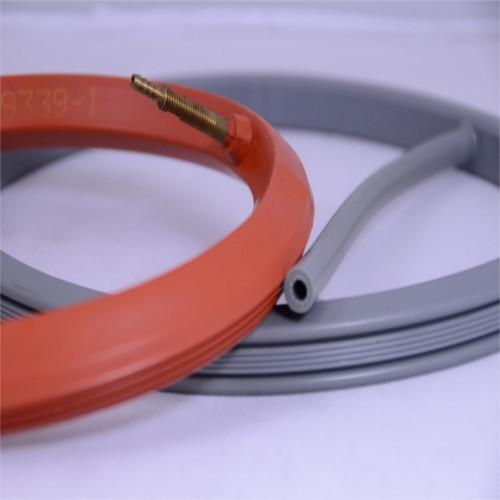
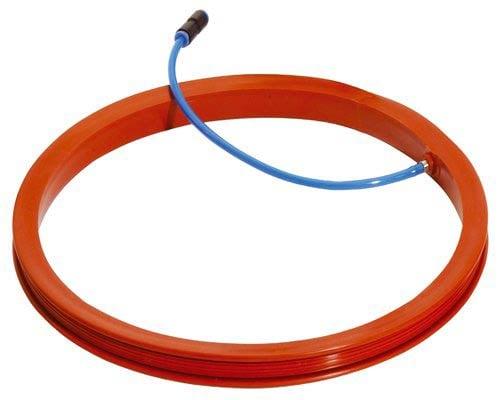
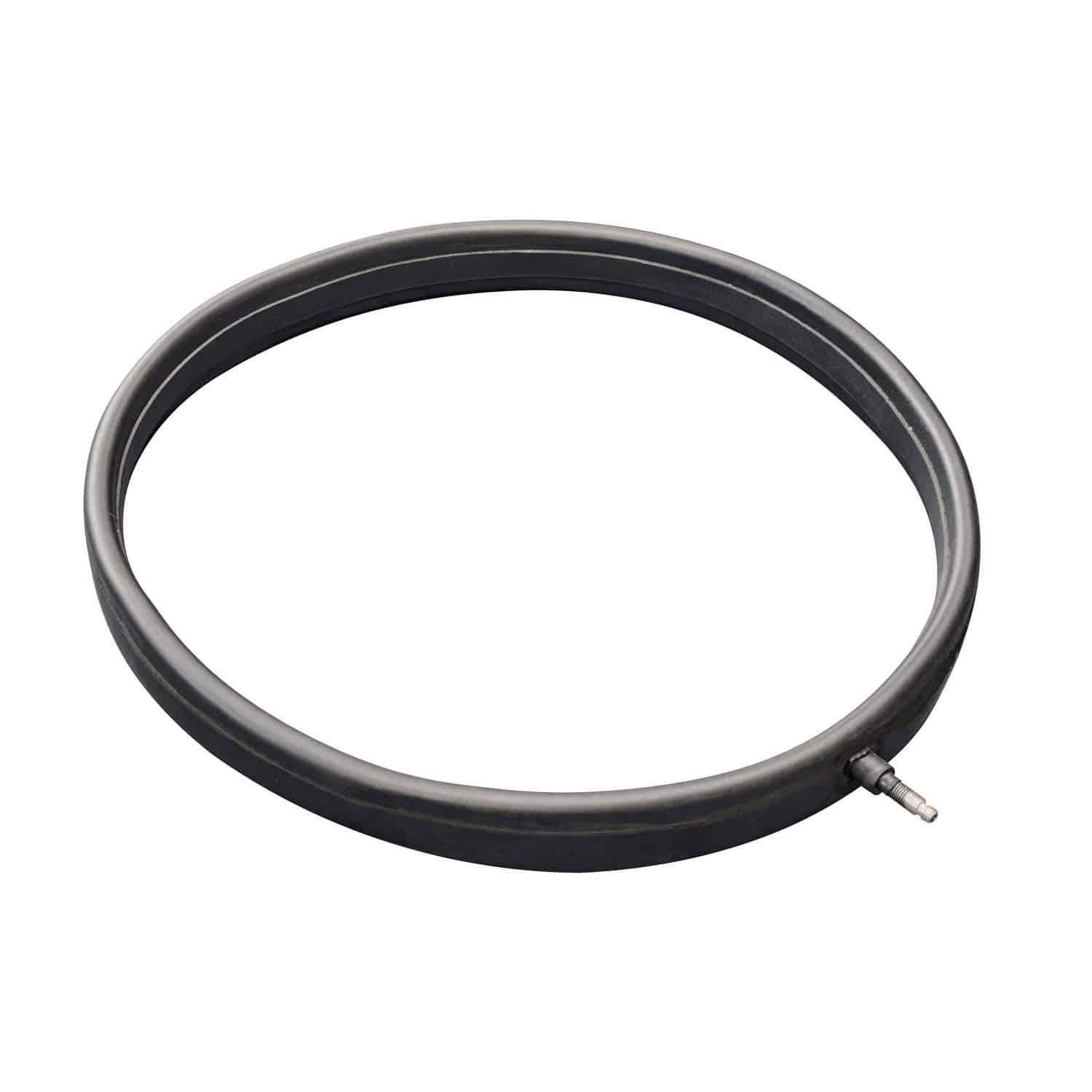
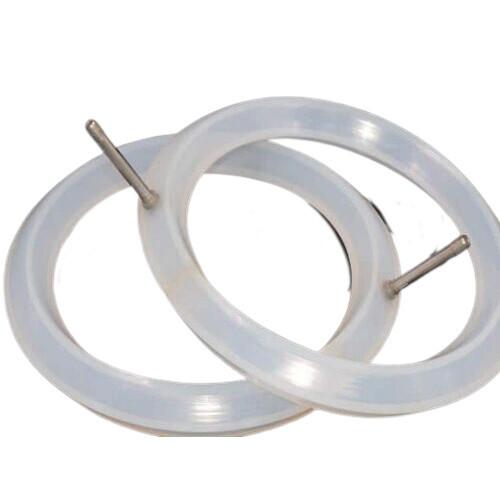
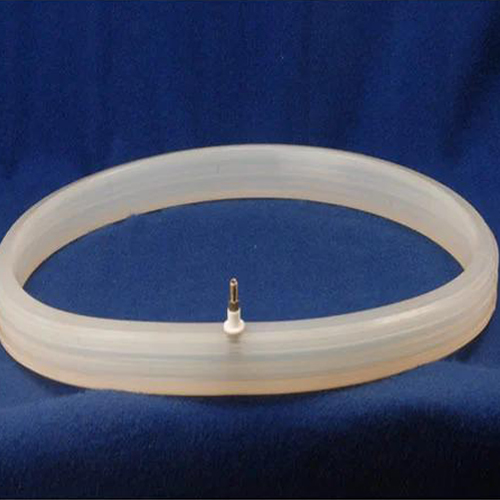
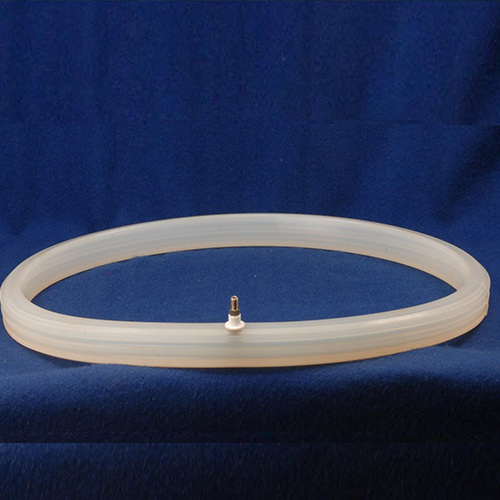
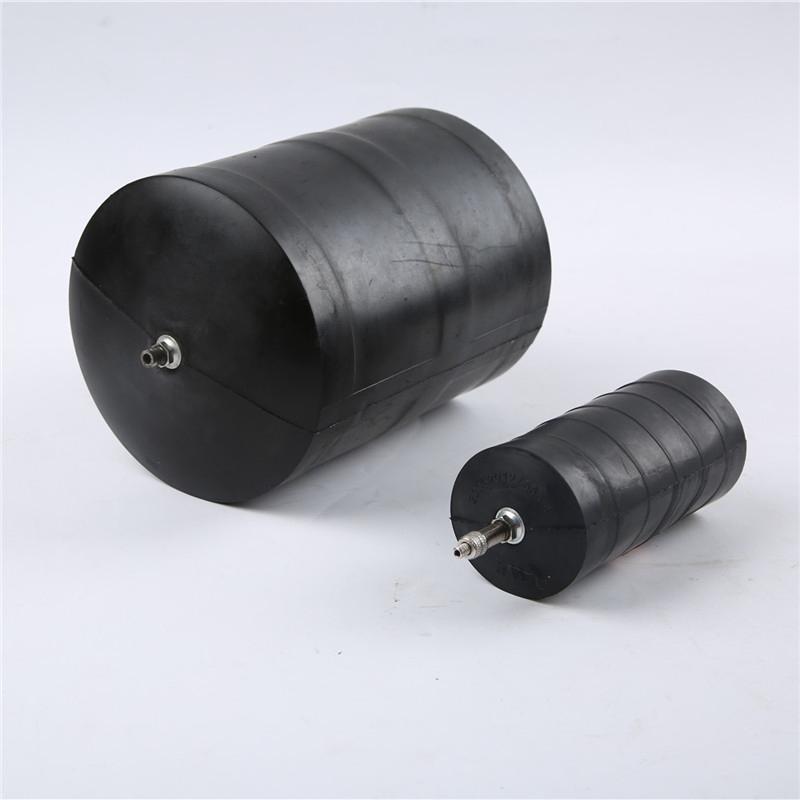
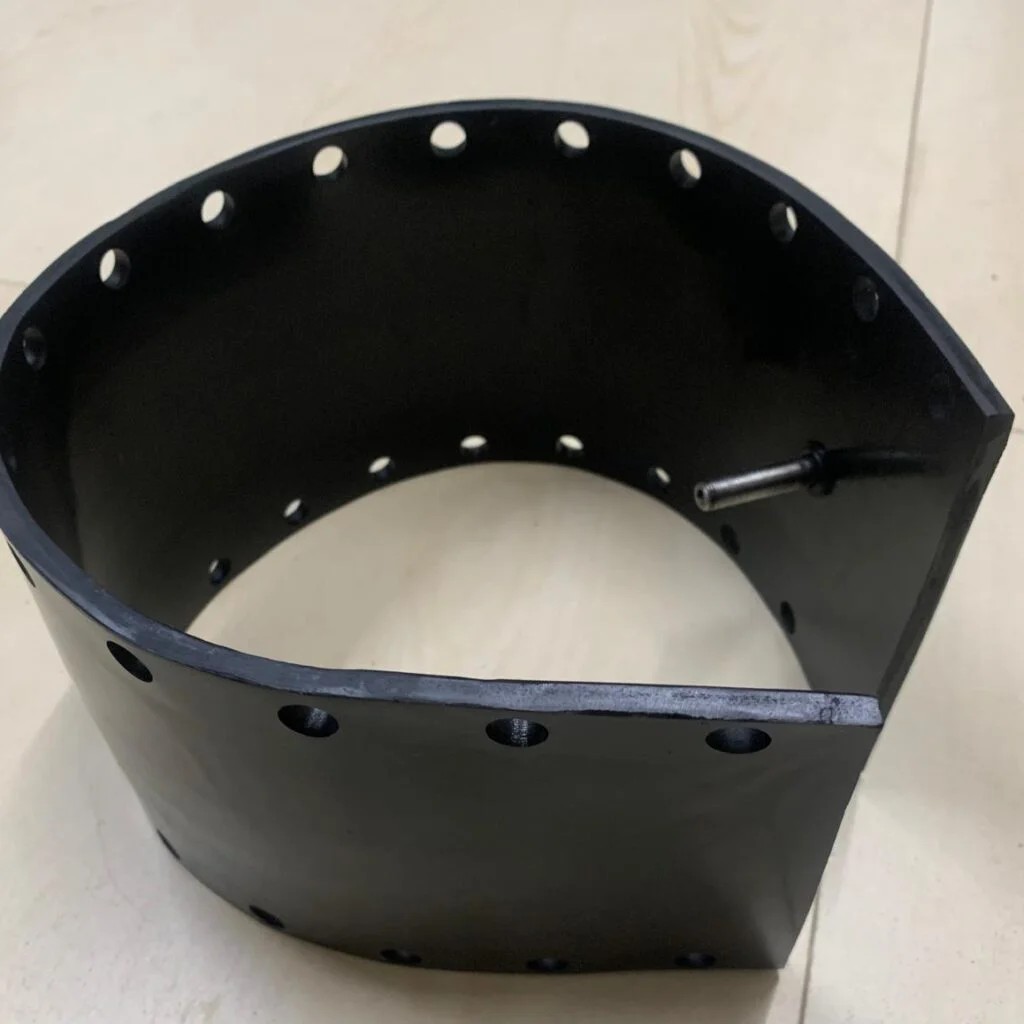
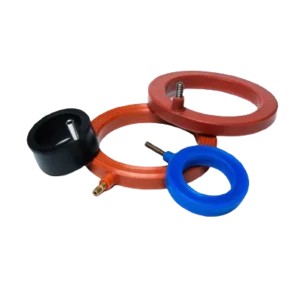
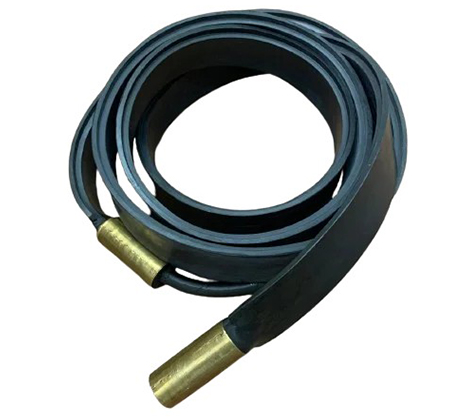
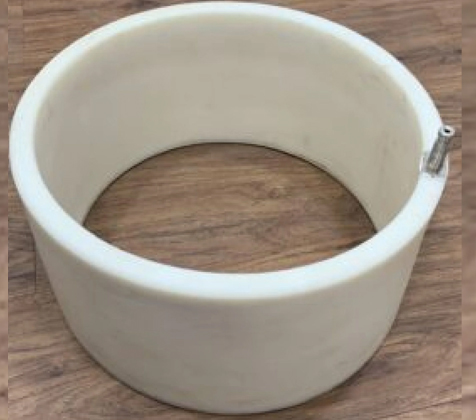
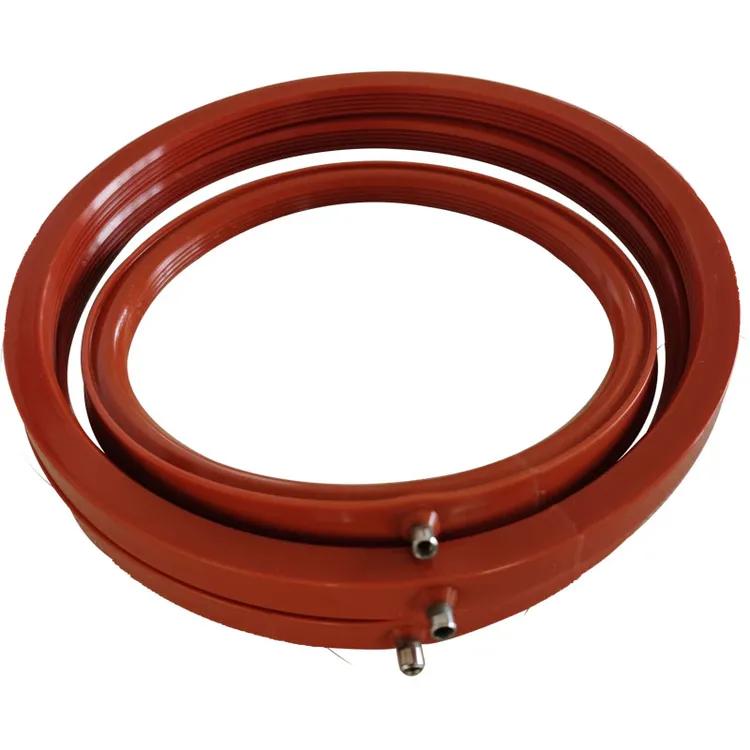
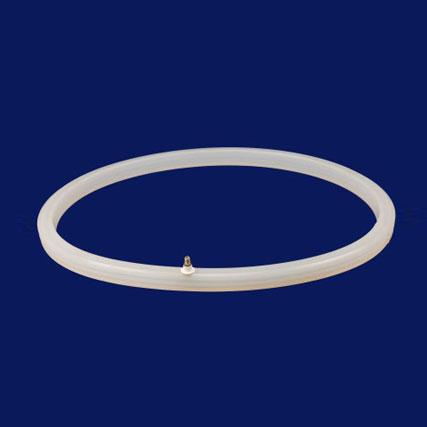
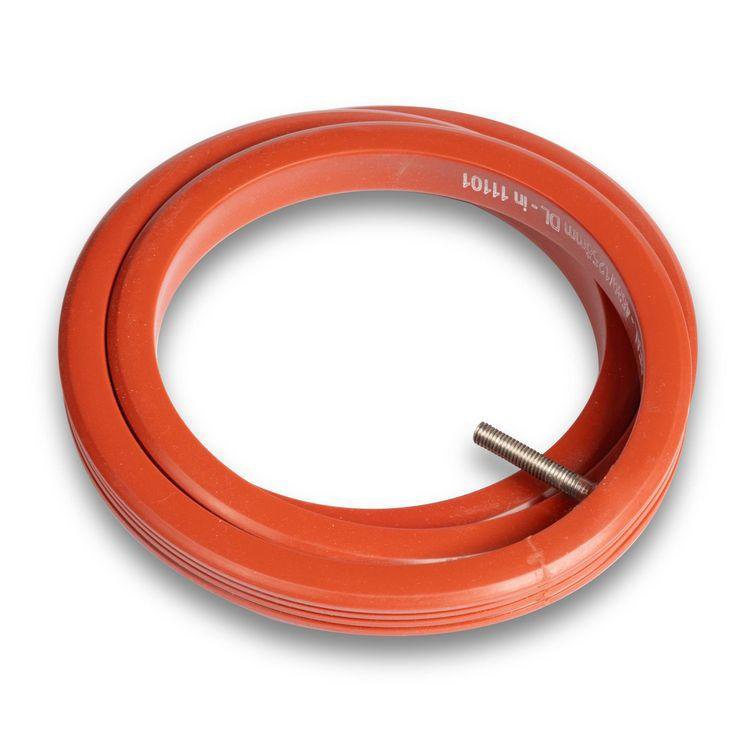
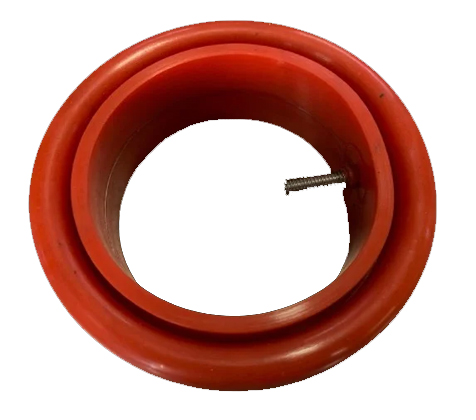
Inflatable Door Seals for Vacuum Membrane are specially engineered sealing components designed for applications where large sealing gaps, significant clearances or difficult sealing geometries make conventional inflatable seals unsuitable.
Bombay Rubber & Carbon Works has developed a Vacuum Membrane technology that allows its inflatable door seals to accommodate gaps of up to 120 mm. The seal is manufactured in an expanded state, allowing it to provide a large sealing surface without requiring continuous positive inflation pressure during installation.
During operation, vacuum is applied to adjust and retract the seal profile, allowing the door or mating component to move into position even when a substantial clearance exists. Once positioned, the vacuum is released and positive pressure can be applied, causing the seal to expand and establish a broad contact surface for high levels of gas-tight sealing.
This technology is particularly useful for large doors, containment systems, vacuum equipment, industrial chambers and applications where conventional inflatable seals may buckle or distort because of large sealing clearances.
| Parameter | Typical / Available Specification |
|---|---|
| Product | Inflatable Door Seal for Vacuum Membrane |
| Product Type | Vacuum Membrane / Pneumatic Inflatable Seal |
| Primary Material | Food-Grade Silicone |
| Other Materials | EPDM, Neoprene & application-specific compounds |
| Technology | Vacuum Membrane |
| Maximum Gap Capability | Up to approximately 120 mm |
| Inflation Medium | Compressed Air / Suitable Gas |
| Vacuum Medium | Controlled Vacuum |
| Expansion | Radial Inward / Radial Outward / Axial |
| Profile | Custom Engineered Profile |
| Configuration | Straight, Circular, Rectangular or Custom |
| Sealing Type | Gas-Tight / Airtight |
| Operating Pressure | Application dependent |
| Vacuum Level | Application dependent |
| Temperature Range | Material dependent |
| Hardness | Application-specific |
| Reinforcement | Optional Fabric Reinforcement |
| Connection | Customized Vacuum & Inflation Connections |
| Colour | Material dependent |
| Manufacturing | Moulded / Fabric Reinforced / Custom |
| Application | Large Doors, Chambers, Containment & Industrial Equipment |
The manufacturer specifically states that its Vacuum Membrane technology can span gaps up to 120 mm and that seals can be customized for radial inward, radial outward and axial orientations.
Exact inflation pressure, vacuum level, temperature range, cycle life and sealing-gap capability must be established for the final seal profile and equipment design.
- Designed for large and variable sealing gaps
- Vacuum Membrane technology
- Can accommodate gaps up to approximately 120 mm
- Large sealing contact surface
- High-level gas-tight sealing capability
- Suitable for large industrial doors
- Suitable for containment applications
- Food-grade silicone construction available
- EPDM and Neoprene options available
- Radial inward expansion available
- Radial outward expansion available
- Axial expansion configurations available
- Custom profiles and dimensions
- Suitable for large and complex sealing geometries
- Reduced risk of buckling in large-gap applications
- Suitable for vacuum and pressure-related applications
- Can be designed for repeated door cycles
- Fabric-reinforced options available for demanding pressure applications
- Custom engineering based on equipment geometry
Food-Grade Silicone
Food-grade silicone is the primary material identified by Bombay Rubber & Carbon Works for its Vacuum Membrane inflatable door seal.Recommended for:
• Food-processing equipment
• Pharmaceutical equipment
• High-containment equipment
• Clean environments
• Large equipment doors
• Specialized industrial applications
Key advantages:
• Excellent flexibility
• Good temperature resistance
• Good ageing performance
• Good ozone and weather resistance
• Suitable for specialized food/pharmaceutical applications
• Available in custom inflatable profiles
Bombay Rubber & Carbon Works specifically lists Food Grade Silicone as a feature of this product.
EPDM
EPDM can be selected for applications requiring excellent resistance to:• Water
• Steam
• Weather
• Ozone
• Outdoor environments
Recommended for:
• Industrial doors
• Water-treatment equipment
• Outdoor machinery
• General industrial sealing
• Steam-related environments
EPDM is generally not the preferred choice for significant petroleum-oil and fuel exposure.
Neoprene
Neoprene offers a useful combination of:• Flexibility
• Mechanical strength
• Weather resistance
• Ozone resistance
• Moderate oil resistance
Recommended for:
• Industrial equipment
• Outdoor applications
• Marine environments
• General-purpose large door seals
Bombay Rubber & Carbon Works identifies EPDM and Neoprene as alternative material options available on request for this product.
What is Vacuum Membrane Technology?
Conventional inflatable seals generally require a relatively small gap because excessive clearance can cause the seal to buckle, fold or distort during inflation.Vacuum Membrane technology addresses this limitation by using a specially designed membrane construction and controlled vacuum.
Conventional Inflatable Seal
Large Gap → Seal may buckle / distort → Limited sealing performance
Vacuum Membrane Seal
Large Gap → Vacuum retracts / adjusts membrane → Door closes → Vacuum released → Positive pressure expands seal → Broad sealing contact
This allows the seal to work effectively in applications where a conventional inflatable gasket may not be able to bridge the required clearance. Bombay Rubber & Carbon Works states that its Vacuum Membrane technology can span gaps up to 120 mm.
Why Vacuum Membrane Technology?
Large Gap CapabilityThe most important advantage is the ability to address significantly larger sealing gaps.
Bombay Rubber & Carbon Works states that its technology can span gaps of up to 120 mm.
Reduced Buckling Risk
Conventional inflatable seals may buckle or distort when required to bridge excessive clearance. Vacuum adjustment helps manage the seal profile before final inflation.
Large Contact Area
When positive pressure is applied, the membrane develops a broad sealing contact area.
Gas-Tight Sealing
The broad contact surface is designed to provide high levels of gas-tight sealing.
Flexible Installation
The seal can be engineered for different expansion orientations depending on the door and equipment geometry.
Expansion Configurations
Radial InwardThe seal expands toward the centre of the sealing profile.
Suitable for:
• Circular openings
• Cylindrical chambers
• Large access openings
• Specialized containment equipment
Radial-inward designs are particularly useful where a substantial clearance must be sealed from the outside toward the opening.
Radial Outward
The seal expands away from the centre of the profile.
Suitable for:
• Door frames
• External sealing arrangements
• Circular equipment
• Large industrial enclosures
Axial / Face Expansion
The seal expands perpendicular to the primary sealing surface.
Suitable for:
• Flat doors
• Large hatches
• Chamber covers
• Equipment access panels
• Face-sealing applications
Bombay Rubber & Carbon Works specifically states that its Vacuum Membrane seals can be customized for radial inward, radial outward and axial orientations.
Recommended for: Large industrial doors, chambers and containment applications with significant sealing gaps.
Food-grade silicone offers excellent flexibility and temperature resistance, making it a versatile choice for large-gap Vacuum Membrane sealing applications.
Advantages Over Conventional Inflatable Seals
Large Clearance CompensationDesigned specifically for applications where the sealing gap is too large for a conventional inflatable seal.
Vacuum-Assisted Profile Control
Vacuum allows the membrane to be adjusted before the final sealing operation.
Broad Contact Surface
Positive pressure creates a large contact area against the mating surface.
Gas-Tight Performance
Designed for applications where high-quality airtight or gas-tight sealing is required.
Custom Orientation
Available in radial-inward, radial-outward and axial configurations.
Custom Engineering
The complete profile can be designed according to the door geometry, sealing gap, operating conditions and required performance.
How It Works
1. Seal InstallationThe Vacuum Membrane inflatable seal is installed into the specially designed mounting groove or retaining structure.
2. Door / Equipment Open
The seal is maintained in its required retracted or adjusted state to provide clearance for the door or mating component.
3. Vacuum Application
Vacuum is applied to the membrane, allowing the profile to adjust and provide the necessary clearance.
4. Door Closure
The large door, hatch, panel or equipment closure moves into its final sealing position.
5. Vacuum Release
The vacuum is released after the mating component reaches its required position.
6. Positive Pressure
Controlled positive air pressure is introduced into the inflatable seal.
7. Seal Expansion
The seal expands and creates a broad contact area against the mating surface.
8. Gas-Tight Sealing
The expanded seal forms a continuous sealing barrier around the door or equipment opening.
This dual vacuum adjustment + positive-pressure sealing approach allows the seal to operate across significantly larger clearances than many conventional inflatable profiles.
Design & Selection Guide
For correct Vacuum Membrane seal design, the following information should be considered:• Door / hatch drawing
• Existing gasket sample
• Maximum sealing gap
• Minimum sealing gap
• Door movement
• Groove dimensions
• Required seal expansion
• Vacuum requirement
• Inflation pressure
• Required sealing pressure
• Operating temperature
• Cleaning temperature
• Chemical exposure
• Test medium
• Required gas-tightness
• Number of operating cycles
• Door dimensions
• Expansion orientation
• Available installation space
• Required material
• Food/pharmaceutical certification requirements
• Fabric reinforcement requirement
Bombay Rubber & Carbon Works's general design guidance also recommends considering environment, expected life, pressure differential, inflation gap, equipment design, air connector, retention mechanism and safety systems when engineering an inflatable seal.
Custom Manufacturing
Every large industrial door or chamber has different geometry and clearance requirements.Custom Vacuum Membrane inflatable seals can be developed through:
Application Study → Drawing Review → Gap Analysis → Material Selection → Profile Design → Prototype → Testing → Final Production
Customers can provide:
• Engineering drawing
• Door/chamber drawing
• Existing seal sample
• Groove dimensions
• Required sealing gap
• Vacuum specifications
• Inflation pressure
• Operating temperature
• Chemical exposure
• Required cycle life
Bombay Rubber & Carbon Works provides technical guidance for customized inflatable-seal design and manufactures bespoke profiles for application-specific requirements.
Quality & Performance
Depending on the application and selected material, documentation can include:• Material Test Certificate
• Food-grade documentation
• FDA compliance documentation where applicable
• Dimensional Inspection Report
• Pressure Test Report
• Vacuum Test Report
• Leak Test Report
• Certificate of Conformity
• Customer-specific quality documentation
For critical containment and vacuum applications, the final seal should be validated under the actual vacuum level, inflation pressure, sealing gap, temperature and operating cycle.
Engineered for Large & Critical Sealing Gaps
Inflatable Door Seals for Vacuum Membrane — Advanced vacuum-assisted sealing technology for large doors, containment chambers, vacuum equipment and demanding industrial applications.Up to 120 mm Gap Capability | Vacuum Membrane Technology | Gas-Tight Sealing | Food-Grade Silicone | Custom Profiles | Radial & Axial Configurations
Pharmaceutical Industry
Vacuum Membrane inflatable seals can be used where large equipment doors or containment interfaces require reliable sealing.Applications include:
• Pharmaceutical processing equipment
• Large containment chambers
• Powder-processing equipment
• Transfer systems
• Processing enclosures
• Specialized cleanroom equipment
Bombay Rubber & Carbon Works's broader inflatable-seal range includes pharmaceutical equipment such as fluidized-bed dryers/processors, glove-box isolators, tablet coaters and cleanroom doors.
Food Processing
Food-grade silicone versions are particularly relevant to food-processing machinery requiring large access doors and reliable contamination-resistant sealing.Applications include:
• Food-processing chambers
• Drying equipment
• Mixing equipment
• Large processing doors
• Bulk food handling
• Sanitary enclosures
High-Containment Systems
Large containment doors can present substantial sealing gaps that are difficult to address with conventional gaskets.Vacuum Membrane seals can be engineered to provide a large contact surface for gas-tight containment.
Applications include:
• High-containment chambers
• Drum handling systems
• Laboratory containment
• Hazardous-material processing
• Decontamination chambers
The manufacturer's product gallery specifically references drum sealing within high-containment areas as an application.
Industrial Chambers
Large industrial chambers frequently require seals capable of accommodating dimensional variation and large opening clearances.Applications include:
• Industrial process chambers
• Pressure chambers
• Vacuum chambers
• Environmental chambers
• Test chambers
• Large equipment enclosures
Vacuum Equipment
Vacuum Membrane inflatable seals are suitable for applications where maintaining a controlled atmosphere or vacuum is important.Potential applications include:
• Vacuum processing equipment
• Vacuum chambers
• Vacuum impregnation systems
• Degassing equipment
• Specialized testing equipment
Bombay Rubber & Carbon Works identifies inflatable seals for vacuum impregnation equipment within its broader application portfolio, where airtight sealing is required under vacuum conditions.
Environmental & Laboratory Equipment
Large laboratory and environmental chambers can benefit from a sealing technology that accommodates significant clearance while maintaining a controlled internal environment.Applications include:
• Environmental test chambers
• Laboratory chambers
• Temperature/humidity test equipment
• Containment systems
• Research equipment
Marine & Offshore
Large access doors, hatches and panels in marine and offshore equipment can require highly reliable sealing under demanding environmental conditions.Bombay Rubber & Carbon Works's broader inflatable-seal range includes custom EPDM and Neoprene compounds for marine environments, including hatches, doors and subsea equipment.
Fabric-Reinforced Options
For applications involving higher pressure, demanding mechanical loads or increased durability requirements, fabric reinforcement can be incorporated into the inflatable construction.Benefits include:
• Higher pressure capability
• Increased dimensional stability
• Improved mechanical strength
• Better resistance to excessive expansion
• Improved durability
• Suitable for demanding industrial applications
Bombay Rubber & Carbon Works states that its fabric-reinforced inflatable seals are available with different reinforcement fabrics selected according to temperature and pressure requirements, with certain designs capable of up to 50 bar bursting pressure.
Note: Bursting pressure must never be considered the normal operating pressure. The allowable working pressure must be determined from the final design, safety factor and application conditions.