Rubber Gaskets for Dependable Industrial Sealing
Industrial Rubber Gasket Solutions
Bombay Rubber & Carbon Works supplies rubber gasket solutions for applications where a reliable seal between two surfaces matters. Available in a range of shapes, profiles and elastomer options, gaskets can be selected to suit equipment design, operating conditions and installation requirements.
From standard gasket profiles to made-to-order components, we help customers identify practical sealing options for machinery, piping assemblies and industrial systems. Share your drawing, sample or dimensional requirements to discuss a suitable solution.
Product Overview
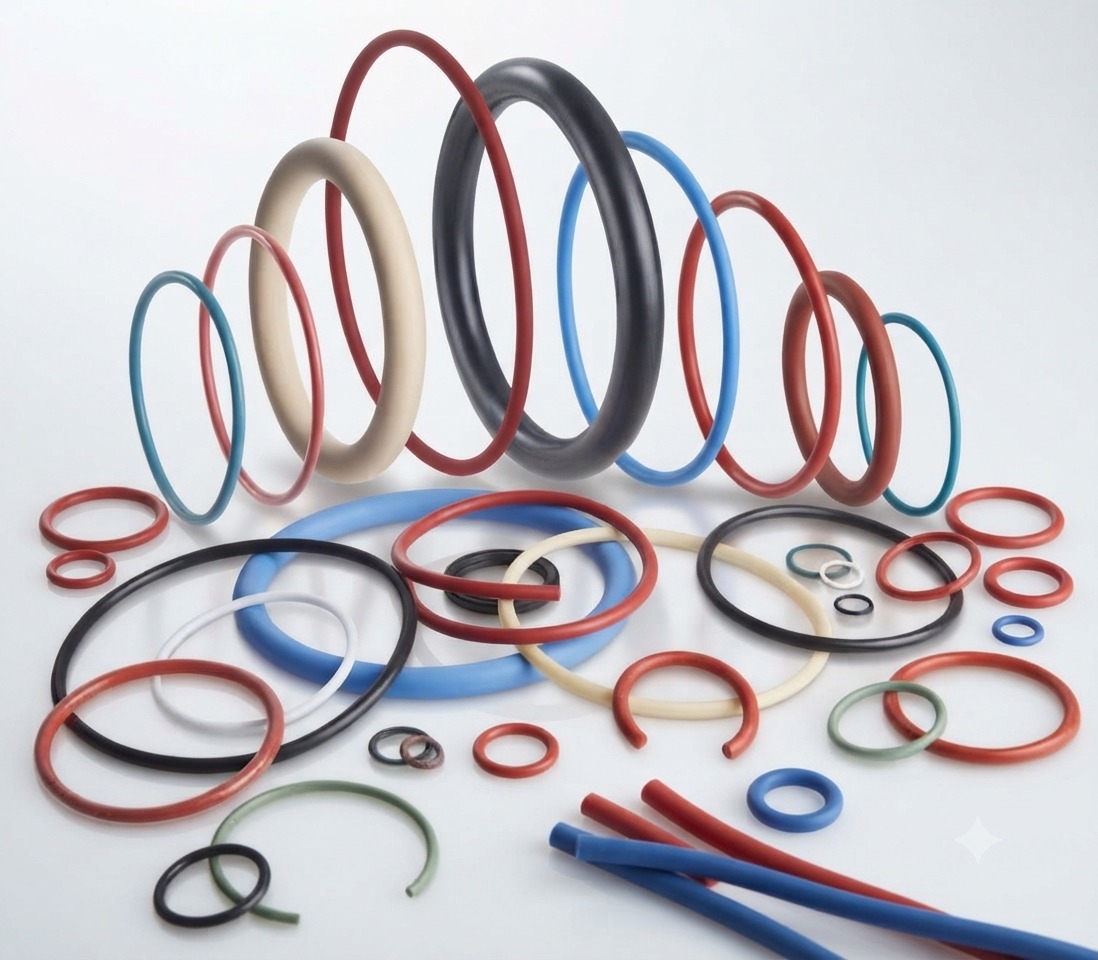
Rubber gaskets are compressible sealing components fitted between two mating surfaces to help reduce the passage of liquids, gases, dust or other media. When the correct material, profile and compression are chosen for the application, a gasket can help support leak control, equipment reliability and routine maintenance.
Bombay Rubber & Carbon Works can discuss gasket requirements for standard industrial uses as well as custom shapes based on customer drawings or samples. Suitability depends on the medium being sealed, temperature, pressure, flange design, surface condition and expected service cycle.
Product Range
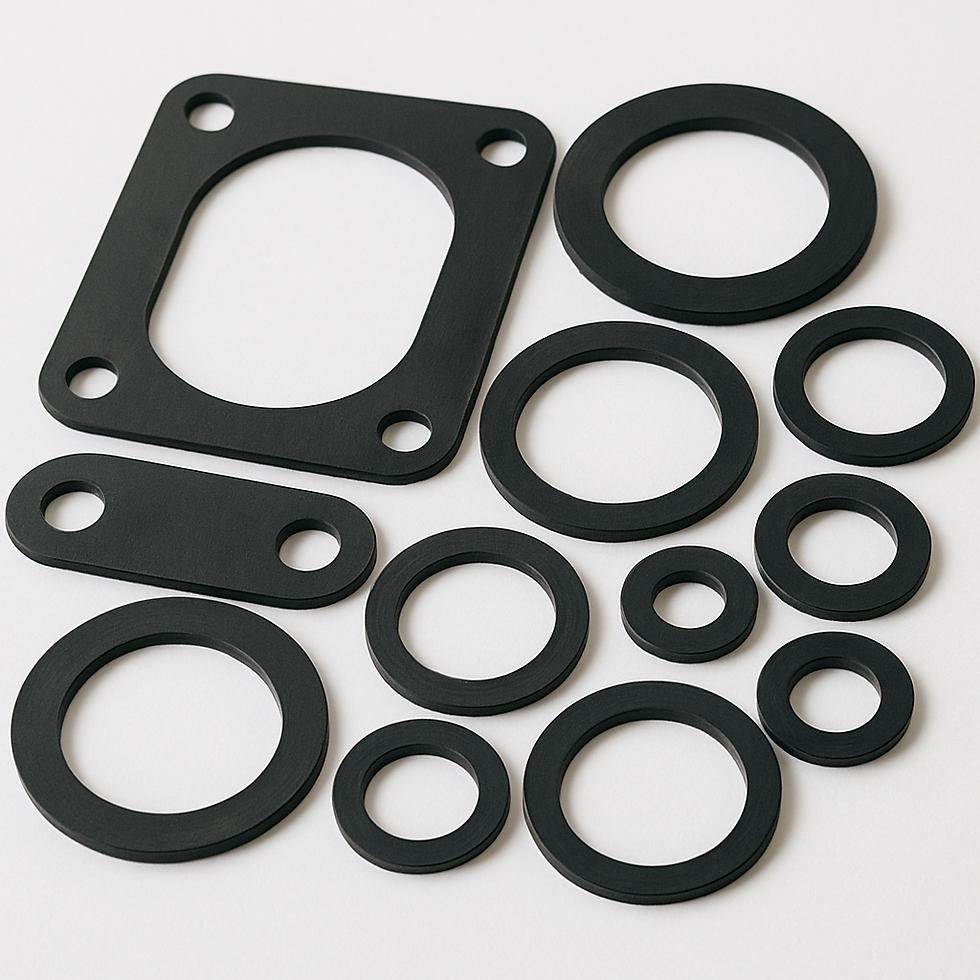
- Flat Rubber Gaskets: Flat-profile gaskets for joining mating surfaces in covers, housings, flanges and general equipment assemblies.
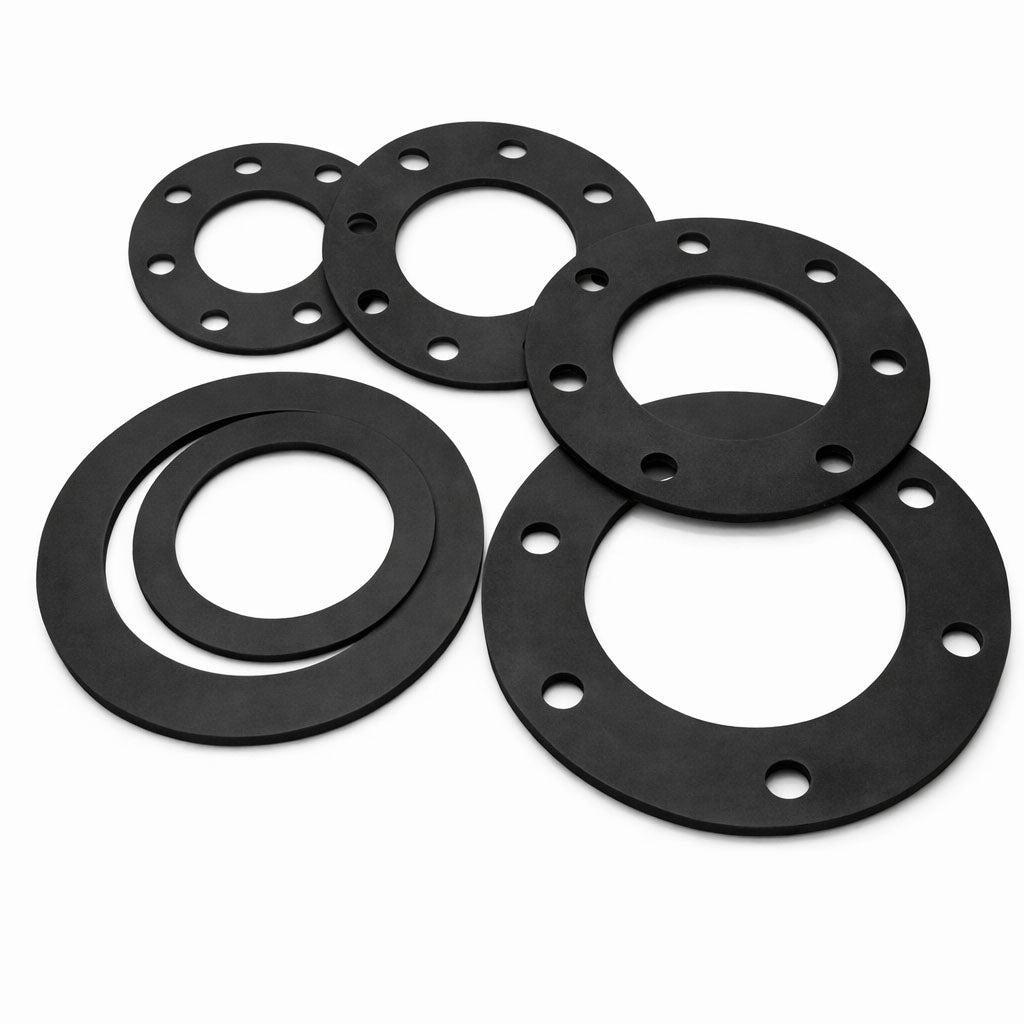
- Flange Gaskets: Circular or shaped sealing components selected to match flange dimensions, bolt patterns and service conditions.
- Custom-Cut Gaskets: Gaskets produced to customer-supplied drawings, dimensions or an approved sample, subject to manufacturability.
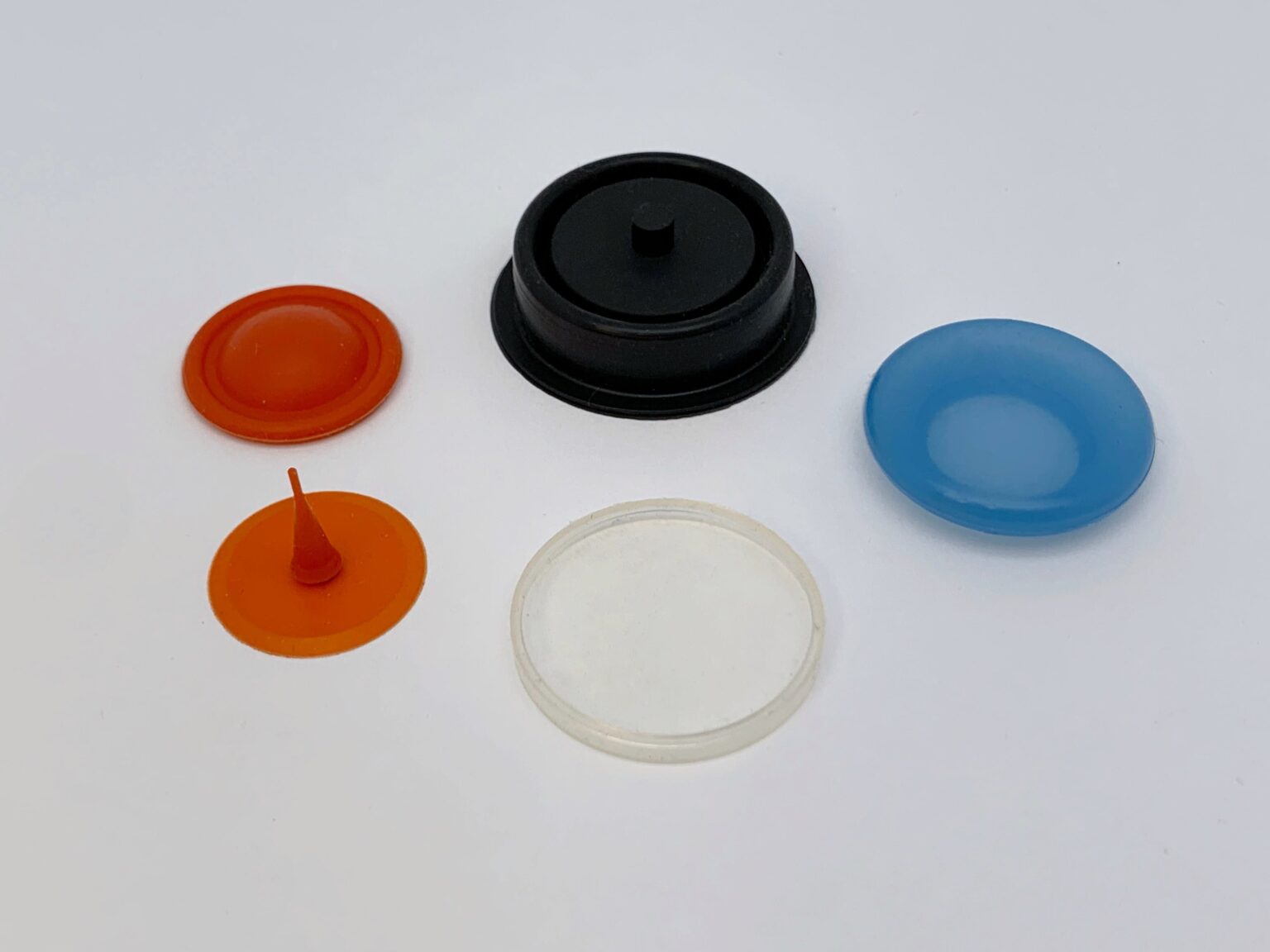
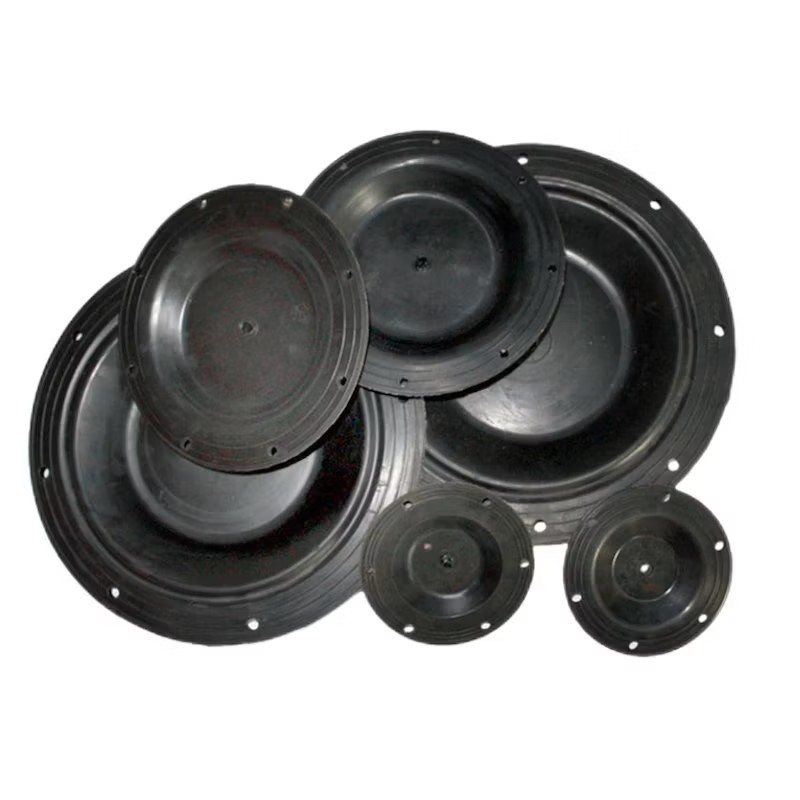
- Moulded Rubber Gaskets: Purpose-shaped components for assemblies that require a defined profile or geometry.
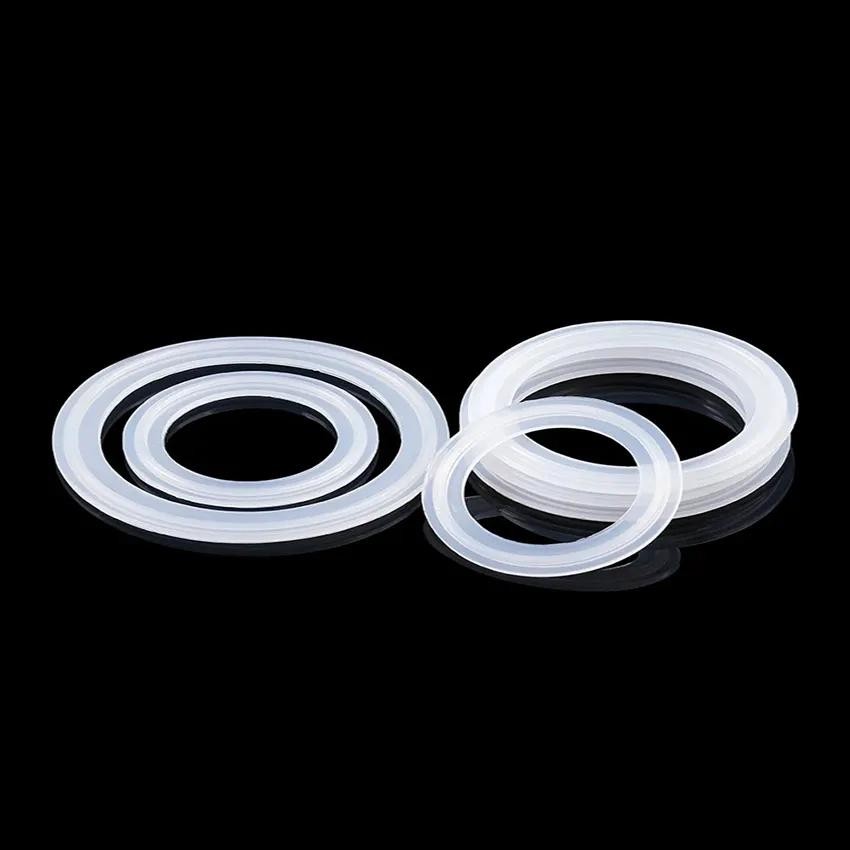
- Silicone Gaskets: Silicone-based options for applications where flexibility and temperature performance are key selection factors.
- Oil- and Fluid-Resistant Gaskets: Elastomer options such as NBR may be considered for compatible oils and fuels; confirm the exact fluid and operating conditions before selection.
Material Options
Material selection should be based on the actual operating environment. Common options may include:
| Material | Typical selection considerations |
|---|---|
| NBR/Nitrile Rubber | Often considered for compatible oils, greases and fuel-related applications. |
| EPDM Rubber | Often considered for water, weathering and outdoor exposure; compatibility with oils and fuels is limited. |
| Silicone Rubber | Used where flexibility and a suitable temperature range are required; check mechanical and chemical demands. |
| Neoprene / CR | May suit selected general-purpose, weathering and industrial applications. |
| Natural Rubber / SBR | May be suitable for applications prioritising elasticity or abrasion performance, depending on the compound. |
| FKM/Fluoroelastomer | May be considered for certain elevated-temperature and chemical or hydrocarbon exposures; compatibility must be checked. |
Note: This is general guidance, not a guaranteed compatibility chart. Confirm the compound, grade, hardness, dimensions, temperature limits and chemical compatibility for each order.
Key Benefits
- Leak-control support: Helps form a seal between properly designed and assembled mating surfaces.
- Flexible material choices: Select an elastomer to match the medium and operating environment.
- Custom sizing: Dimensions and profiles can be discussed from drawings or sample parts.
- Versatile applications: Suitable for a range of equipment and industrial assembly needs.
- Maintenance-friendly: Replaceable gasket components can support planned servicing when specified and installed correctly.
How to Specify the Right Gasket
- Provide the gasket drawing, sample or exact dimensions.
- Identify the fluid, gas or material the gasket will contact.
- Share operating temperature and pressure, including peaks or cycles.
- Specify hardness, thickness, inner/outer diameters, profile and tolerances if known.
- Mention any relevant compliance, cleanliness or certification requirements.
Frequently Asked Questions
Can you supply custom-size rubber gaskets?
Custom requirements can be reviewed from a drawing, dimensions or a physical sample. Final feasibility depends on the profile, material and quantity.
Which rubber material is best for my application?
There is no single best material for every use. Selection depends on the media, temperature, pressure, compression, environment and required service life.
Are rubber gaskets suitable for high temperatures?
Some elastomers are suited to higher temperatures than others. Confirm the exact compound and operating conditions before specifying a gasket.
What information should I send for a quotation?
Share dimensions or a drawing, material preference if known, application, quantity, delivery location and any technical requirements.
Can the gasket be made from a sample?
A sample may help establish the profile and dimensions. Material identification and performance requirements should also be confirmed.
Applications